
How Much Does a Kitten Cost in the First Year?
A kitten's adoption fee is the number you see first, and it's almost never the number you end up spending. Between the vet visits a young cat needs in the first few months and the supplies nobody mentions at the shelter counter, the real first-year total runs several times higher than the fee on the adoption paperwork.
The adoption fee sets your starting point
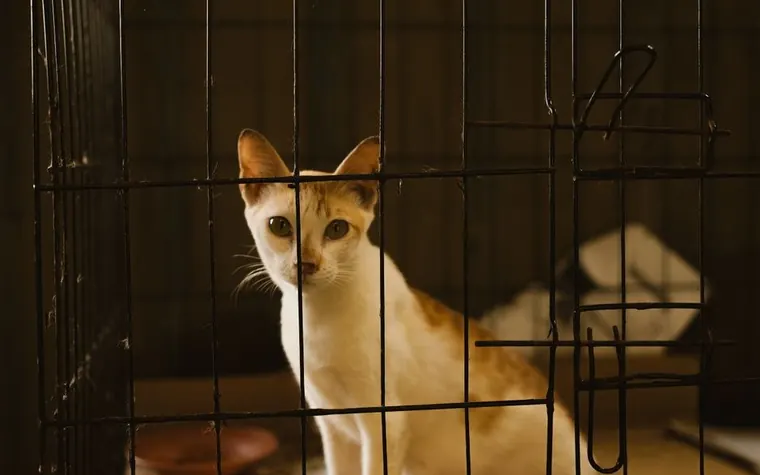
Shelter and rescue adoption fees for kittens typically run $50 to $175, with the wide range coming down to what the fee bundles in. Many shelters roll spay/neuter surgery, the first vaccines, and a microchip into that fee, which makes a $150 kitten a better deal than a $50 kitten if the cheaper one sends you home with none of that included. Before you commit, ask the shelter directly what's already covered -- it changes every other number in this budget.
Spay or neuter, if it isn't already included
If your kitten's adoption fee didn't include the surgery, budget $165 to $300 at a full-service vet clinic, or look for a low-cost spay/neuter clinic in your area, which can bring the price down substantially. We cover the fuller breakdown -- including why low-cost clinics run so much cheaper than full-service hospitals -- separately. Most vets recommend the surgery around 4 to 6 months of age, so this cost typically lands in month two or three of ownership, not week one.
The kitten vaccine series adds up fast
Unlike an adult cat's single annual visit, a kitten needs a multi-dose vaccine series spaced a few weeks apart over its first four months, which runs $100 to $210 in total before the series is done. After that, expect a yearly booster in the $30 to $100 range. This is the part of kitten ownership that catches new owners off guard -- it isn't one vet bill, it's three or four smaller ones stacked across the first few months. See our full core vs. non-core vaccine breakdown for what each dose actually covers.
One-time setup costs nobody budgets for
A litter box, scratching post, carrier, bed, and starter toys typically run $150 to $300 combined if you're starting from zero. The carrier alone is easy to skip in the excitement of adoption day, but you'll need one for that first vet visit regardless -- buying it after the fact, in a rush, tends to cost more than planning for it up front. A scratching post is the one item worth spending a little more on: a flimsy one gets outgrown or ignored within weeks, and the cost of a couch corner is much higher than the cost of a sturdier post.
Monthly food and litter, from day one
Kitten-formula food and litter together run roughly $40 to $80 a month, depending on whether you choose a budget or premium food brand and clumping vs. non-clumping litter. Kittens eat smaller portions than adult cats but need calorie-dense kitten formula rather than adult food, which usually costs somewhat more per bag. This is the one category that doesn't stop after the first year -- it's worth picking a food and litter routine in month one that you can actually sustain long-term rather than switching brands repeatedly.
Microchipping and ID
If your kitten's adoption fee didn't already include it, microchipping runs in line with the rest of routine veterinary care, and most shelters register the chip to the adopter at the time of adoption. The bigger cost, in practice, is the registry fee some chip brands charge separately from the implant itself -- a detail easy to miss because it isn't billed at the vet's office. We break down where ongoing costs like insurance fit into a monthly pet budget if you're mapping out the full first year rather than just the upfront bill.
Should you add pet insurance in year one?
Enrolling in accident-and-illness pet insurance while your kitten is young and healthy is when premiums are lowest and there's no chance of a pre-existing condition exclusion yet. It's an optional line item, not a required one, but if you're going to add it, the first year -- before anything shows up on a vet record -- is the cheapest and simplest time to start.
Bottom line
Total realistic first-year cost: roughly $1,200 to $2,300, well above the $800-$1,200 a year most owners spend after that. The adoption fee is typically the smallest line item once spay/neuter, the vaccine series, and starter supplies are added in -- budget for the full first four months of vet visits, not just the day-one fee, and the rest of the year gets much more predictable.
Costs are 2025-2026 published estimates from shelters, veterinary sources, and pet cost-guide surveys, and vary by region, provider, and individual kitten. This article covers cost only and is not veterinary advice -- work with your vet on the specific care schedule your kitten needs.
All content is fact-checked under our editorial standards.