
Can Charity Grants Help Pay a Vet Bill? RedRover's Urgent Care Grant Is About $250, Frankie's Friends Caps at $2,000, and Neither Pays for the Exam
When a vet hands you a $3,000 estimate, the next question is whether any charity will pay part of it. Some do, but the grants are small, the rules are strict, and most of them will not pay for the exam, the tests, or any bill you have already paid. Two national programs publish their terms clearly: RedRover Relief, whose Urgent Care grants are typically around $250, and Frankie's Friends, which caps a grant at $2,000 per pet per household. This guide uses both programs' own pages, read on October 17, 2026, to show what they pay, what they refuse, and what to do first.
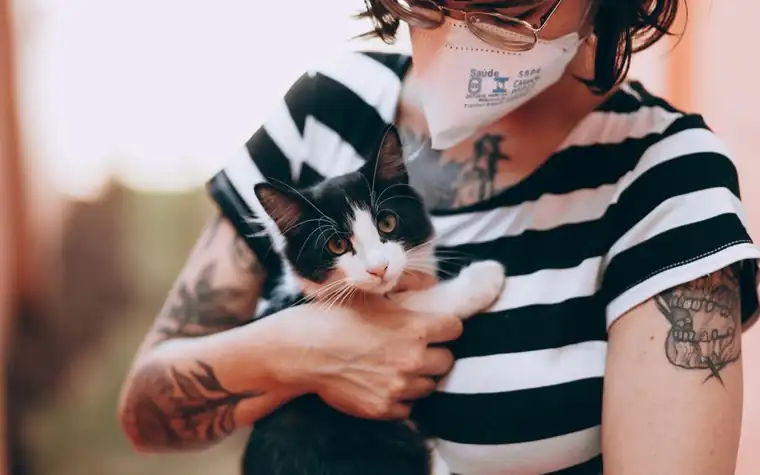
What RedRover Relief pays
RedRover's page says its Urgent Care grants are typically around $250 and are meant to fill a small funding gap, not cover a whole bill. The eligibility page lists household income of no more than $60,000 a year, one animal with an injury or illness that needs urgent and specific treatment, and a current diagnosis, treatment plan and estimated cost from your veterinarian. Treatment must have a good or favorable outcome, and both you and the animal must live in the United States. An Urgent Care grant cannot be awarded if your household has already received one for any animal.
What RedRover will not pay
- Office exams or testing
- Ongoing conditions, such as chemotherapy, special diets and Cushing's disease
- Routine care, such as spay or neuter surgery, vaccinations and exams
- Follow-up visits after the main treatment
- Requests where $500 or more is needed
That last line matters. A grant designed around a $250 gap is a poor fit for a $3,000 emergency, and the program says so. RedRover reviews applications in the order received, with replies typically in one to two business days, so it is a tool for a bill that is close to affordable, not for a large one.
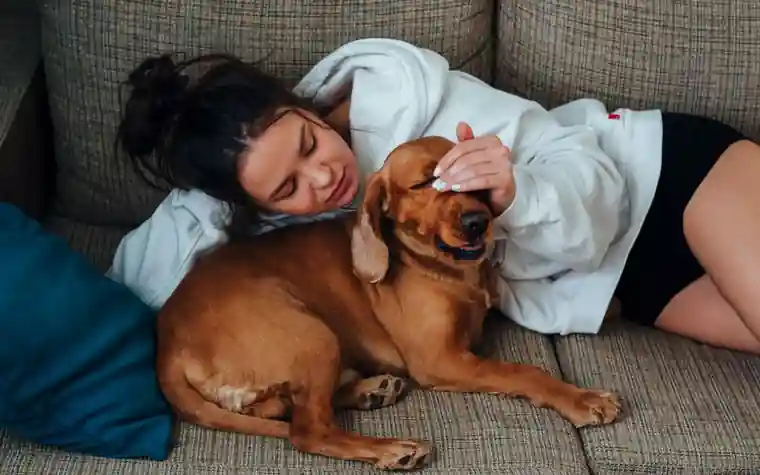
What Frankie's Friends pays
Frankie's Friends states that grants are not guaranteed and will not exceed $2,000 per pet, per household. You need a clear diagnosis and a specific treatment plan with a good prognosis from a licensed veterinarian. Payment goes directly to the veterinarian, and the fund states it does not reimburse payments already made. That rule shapes your timing: apply before you settle the bill, not after.
What Frankie's Friends will not pay
Its terms exclude the cost of the initial exam, any diagnostics used to determine the prognosis and treatment plan, and primary care such as dental work, vaccinations, spays and neuters, monthly medications and euthanasia. Strays, rescue organizations and foster pets are excluded as well. The fund also cannot assist pets treated at hospitals that run their own assistance programs, and it names Banfield, BluePearl and VCA as examples. If your clinic belongs to one of those groups, ask the hospital about its own program first.
What the math looks like
Take a $3,000 emergency as an example. A typical RedRover grant of about $250 covers roughly 8 percent of it. Even a full $2,000 from Frankie's Friends, which is a ceiling and not a promise, would leave $1,000. Neither program removes the need to plan for the rest, and both exclude the exam and diagnostics that usually come first on the invoice. For a sense of what those early charges run, see our guides to emergency vet visit costs and vet exam fees.
What to do in the first hour
- Ask the vet for a written, itemized estimate and a treatment plan, because both programs require one
- Ask which parts of the plan are urgent today and which can wait
- Do not pay the full bill before you apply, since Frankie's Friends will not reimburse it
- Apply to each program whose rules you meet, and read the exclusions before you submit
- Ask the clinic about a payment plan, and compare it with the options in CareCredit and fixed-APR financing
Where insurance and grants differ
A grant is a one-time gift with a ceiling, and insurance is a contract that reimburses a percentage. If you have a policy, check the exclusions first; our guide to waiting periods and pre-existing conditions explains why a claim can be denied. If you do not, the grant programs above are one of several places to ask for help.

Program terms come from each organization's public page, were read in October 2026, and can change, so confirm them on the program's own site before you apply.
This article is about costs only and is not veterinary advice. Call your veterinarian or an emergency clinic right away if your pet is in distress.
All content is fact-checked under our editorial standards.