
How Much Does an Emergency Vet Visit Cost? What the Bill Is Actually Made Of
The number people remember from an emergency vet visit is almost never the one they were quoted on the phone. Someone calls ahead, hears "the exam fee is about $150," and arrives expecting a $150 evening. Four hours later the invoice reads $1,400. Nothing improper happened. The exam fee was never the bill — it was the price of getting in the door and having someone decide what happens next. Understanding how an emergency invoice is assembled is the difference between a shock and a decision.
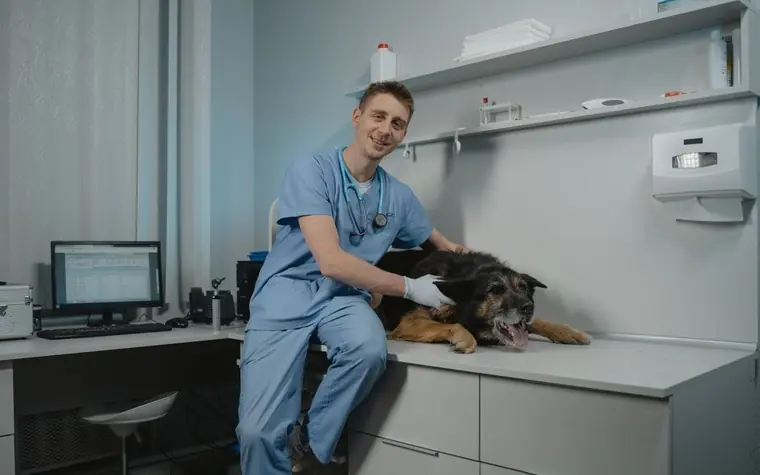
The exam fee is the entry ticket
Every emergency hospital charges a triage or emergency exam fee before anything else happens. Published 2026 cost surveys put that fee in the $100 to $250 range for most of the country, with commonly cited national averages sitting near $135 for dogs and $143 for cats. Urban and 24-hour specialty hospitals sit at the top of that band; smaller regional clinics sit at the bottom.
That fee buys one thing: a veterinarian putting hands on your animal and forming a plan. It does not include tests, imaging, medication, fluids, or a bed. Those are separate line items, and they are where an emergency invoice grows.
Diagnostics are the second layer
Almost every emergency visit that goes beyond a quick look involves some combination of bloodwork, radiographs, and sometimes ultrasound. Reported ranges for the diagnostic block cluster around $180 to $450, though a full workup with abdominal ultrasound can push past that.
This is the stage where owners feel the least control, because the tests are what tell the veterinarian whether the situation is a $300 evening or a $4,000 one. It is reasonable to ask which tests change the plan tonight and which could wait for your regular veterinarian in the morning. That single question is the most effective cost conversation available to you, and it is a fair one to ask.
Hospitalization is where the money actually goes
The largest single driver of an emergency bill is usually not the procedure — it is time. Overnight hospitalization with monitoring, fluids, and nursing care is widely reported in the $500 to $1,500 per day range for intensive care, with one industry figure putting average emergency hospitalization for dogs around $722. Two nights doubles it.
Layer surgery on top and the numbers move again. Emergency surgical figures are commonly quoted from $1,500 to $5,000 and up, and the serious classic emergencies — obstruction, bloat, major trauma, severe toxin ingestion — are widely reported to land somewhere between $1,000 and $8,000 once imaging, surgery, and recovery are all counted. Complex cases requiring days of intensive care are reported above $3,000 to $10,000.
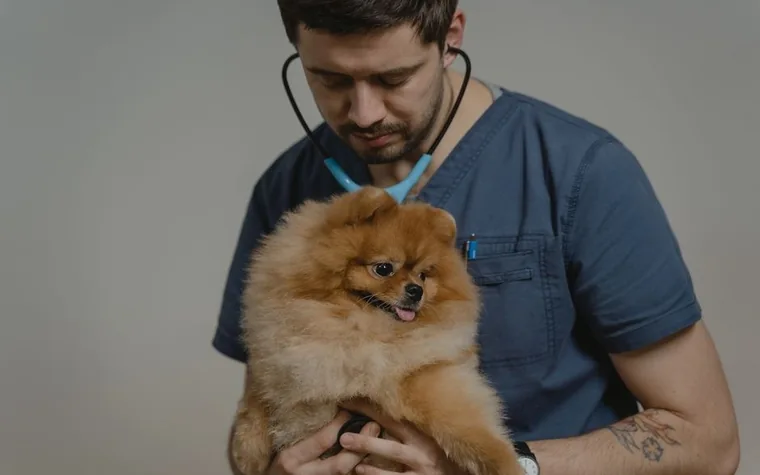
Read the estimate as a range, not a price
Emergency hospitals typically hand you a written estimate with a low and a high figure. This is not a negotiating tactic. The low number assumes the straightforward version of the case; the high number assumes complications, a longer stay, or an additional procedure. Ask which specific findings would move you from the low column to the high one.
Most emergency hospitals also ask for a deposit before treatment begins, usually a substantial share of the low estimate. This surprises people who expect to settle up at discharge the way a routine practice works. Knowing that the deposit is coming — and roughly what it will be — is worth more at 11 p.m. than any other piece of information in this article.
What insurance changes, and what it does not
Pet insurance does not usually work like human health insurance at the point of care. The overwhelming majority of policies are reimbursement products: you pay the hospital in full, submit the invoice, and get a percentage back after your deductible. So insurance protects your annual finances, not your ability to pay tonight.
Two structural details matter more than the advertised reimbursement percentage. Waiting periods mean a policy purchased on the way to the emergency room will not cover that visit. And pre-existing condition exclusions mean the thing your pet has already been treated for is typically not covered going forward. We covered what these policies actually cost per month in our breakdown of average pet insurance premiums.
The cheaper paths exist, but only before the emergency
There is very little price flexibility at 2 a.m., which is exactly why the useful decisions happen earlier. A few options that people find only after the fact:
- Your regular veterinarian's urgent hours. Many practices hold same-day slots. A daytime urgent visit at a general practice is typically a fraction of an after-hours emergency exam.
- Poison control hotlines. For a suspected ingestion, a consultation fee is far below an emergency workup, and the case number they issue is used by the treating hospital.
- Nonprofit and teaching hospitals. Veterinary teaching hospitals and some nonprofit clinics run emergency services at published rates worth knowing in advance.
- A dedicated fund. Setting aside money monthly is the only option that works regardless of pre-existing conditions or waiting periods.
What to have ready before you go
- A rough ceiling you have decided on in advance, so the decision is not made under pressure
- Your pet's weight and current medications — dosing and estimates both depend on it
- Your regular veterinarian's records access or clinic phone number
- Your payment method and, if insured, your policy number and reimbursement process
- Written questions: what changes the plan tonight, what is the deposit, what moves this to the high estimate
If you are earlier in the ownership timeline, the predictable side of the ledger is worth planning first — we broke down what a puppy costs in year one and what a cat costs per year and over a lifetime. Emergencies are the part those budgets rarely include.

Figures above are ranges compiled from published 2026 veterinary cost surveys and insurer and lender cost guides, and they vary substantially by region, by hospital type, and by case. They are provided to help you plan financially, not to predict your invoice — ask the treating hospital for a written estimate. This article covers costs, coverage, and billing procedure only. It is not veterinary advice, and nothing here should be used to diagnose, treat, or delay care for an animal. If you believe your pet is in distress, contact a veterinarian or an emergency hospital immediately.
All content is fact-checked under our editorial standards.