
How Much Does It Cost to Treat a Dog with Diabetes? Insulin, Monitoring, and the Ongoing Bill
A diabetes diagnosis in a dog turns a one-time vet bill into an ongoing monthly expense. Across insulin, home monitoring supplies, and periodic clinic checks, most owners land somewhere between $120 and $450 a month, or roughly $500 to $3,000 a year depending on the dog's size and how stable the diabetes is once it's under control. Here's where that money actually goes.
Insulin is the biggest recurring line item
Monthly insulin costs typically run $30 to $150, with smaller dogs on the lower end (roughly $40-$80) and larger dogs needing more insulin per vial (roughly $80-$150). The exact number depends on the insulin type your vet prescribes, the vial size, and how many units your dog needs per dose -- a number your veterinarian sets and adjusts based on bloodwork, not something to estimate at home.
Home monitoring adds a second recurring cost
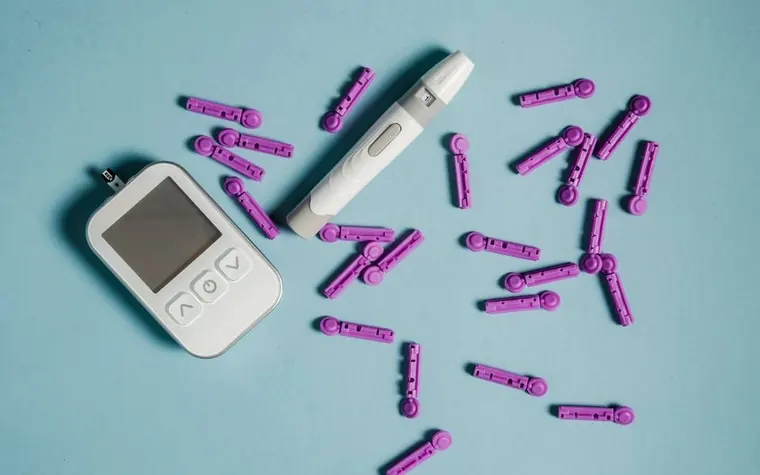
Most dogs on insulin need some form of home glucose monitoring between vet visits. A glucometer built or validated for animal use runs $20 to $80 as a one-time purchase, and the test strips it uses typically add another $10 to $50 a month depending on how often your vet has you checking. Syringes and needles for insulin delivery run separately, usually $10 to $30 a month.
In-clinic glucose curves cost more than a routine visit
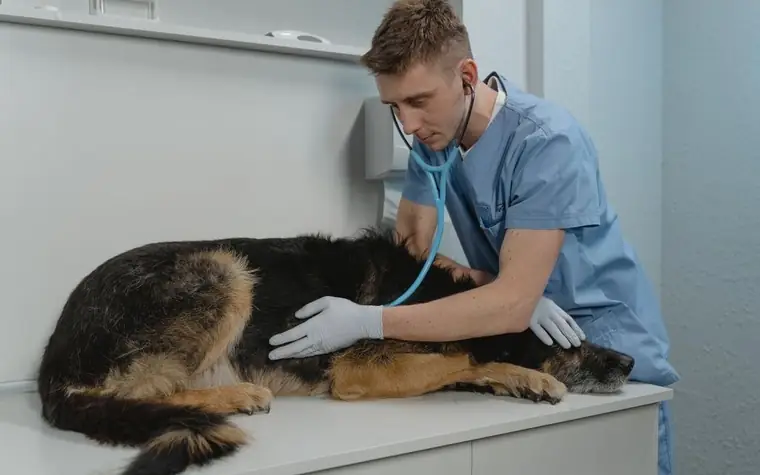
Beyond home monitoring, vets periodically run an in-clinic glucose curve -- blood drawn every couple of hours over most of a day to see how a dog's blood sugar responds to a dose across the whole cycle. Each curve costs $75 to $200, and most newly diagnosed dogs need several in the first few months while the vet finds the right insulin dose. Once a dog is stable, curves typically become less frequent, which is the main reason costs are highest right after diagnosis and taper afterward. A glucose curve is priced separately from routine vet bloodwork, which most diabetic dogs also need periodically to monitor kidney and liver function alongside blood sugar control.
Why the first few months cost more than year two
Dosing a diabetic dog isn't a one-time calculation -- it's an iterative process, and each adjustment during that process usually means another glucose curve, another exam fee, and sometimes a change in insulin type or vial size. Once a dog's dose is stable, the ongoing cost mostly narrows down to insulin, strips, and syringes, with glucose curves and exams dropping to maybe twice a year for routine rechecks. That's the main reason the $500-$3,000 annual range is so wide -- it depends heavily on whether you're in the adjustment phase or the maintenance phase.

Where insurance does and doesn't help
If your dog already had a pet insurance policy before the diabetes diagnosis, ongoing insulin, strips, and monitoring visits are typically eligible for reimbursement as a covered illness under most accident-and-illness plans. If you're shopping for a policy after the diagnosis, though, diabetes will almost certainly be treated as a pre-existing condition and excluded going forward -- insurance bought after diagnosis won't help with this particular cost. Check your policy's annual limit too, since a $3,000-a-year condition can bump against a capped plan faster than a one-time surgery would.
A few ways owners keep the monthly cost down
Two practical levers show up across owner cost reports most often: filling a veterinarian-written insulin prescription at a regular pharmacy instead of the vet's in-house pharmacy, since retail pricing is sometimes lower for the same product, and learning to do home glucose checks yourself once your vet confirms you're doing it correctly, which cuts down on how many in-clinic curves you need. Neither changes the treatment itself -- both are just about where the same prescribed care gets purchased and monitored.
Summary
1. Insulin -- $30-$150/month depending on dog size and product.
2. Home monitoring -- $20-$80 one-time glucometer, $10-$50/month in strips, $10-$30/month in syringes.
3. In-clinic glucose curves -- $75-$200 each, more frequent right after diagnosis.
4. Overall range -- $120-$450/month, or $500-$3,000/year.
5. Insurance -- helps if the policy predates diagnosis; diabetes becomes a pre-existing exclusion otherwise.
This article covers typical cost ranges reported by pet insurers and veterinary cost-tracking sources and is not veterinary advice. It does not cover diagnosis, insulin dosing, or treatment decisions -- those must come from your veterinarian. Sources: Spot Pet Insurance; MetLife Pet Insurance. Verified September 2026.
All content is fact-checked under our editorial standards.