
How Much Does a Cat Dental Cleaning Cost? Why Cats Need More Extractions Than Dogs
A dog dental cleaning and a cat dental cleaning look like the same procedure on paper -- anesthesia, scaling, polishing, X-rays -- but the bill and the reason for it are often different. Cats are more likely to need teeth pulled during a "routine" cleaning, and the reason has nothing to do with poor home care. Here's what actually drives the cost.
What a base cleaning costs
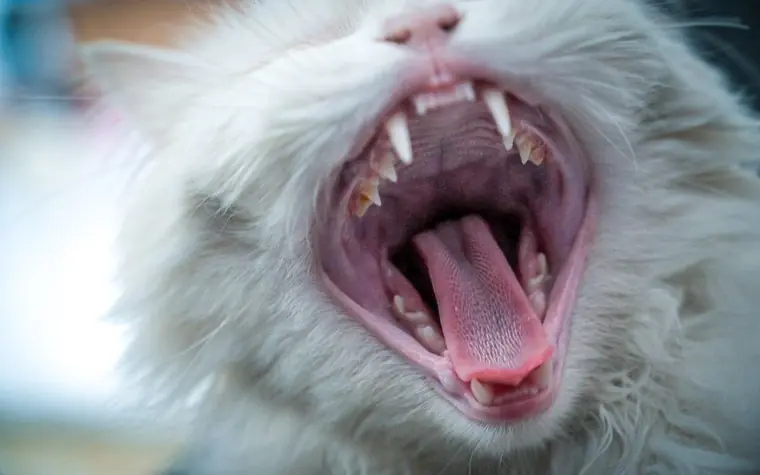
A standard cat dental cleaning -- anesthesia, scaling above and below the gumline, polishing, and a post-cleaning exam -- typically runs $300 to $700. Where you land in that range depends heavily on your region and whether the practice includes pre-anesthetic bloodwork and dental X-rays in the base price or bills them separately. Clinics in major metro areas tend to sit at the higher end; general practices in smaller markets are often closer to the low end. This base price assumes no extractions are needed -- which, for cats, is the exception rather than the rule.
Why cats need more extractions than dogs
The most common reason a vet pulls a cat's tooth isn't decay or a broken tooth -- it's feline odontoclastic resorptive lesions (FORL), also called tooth resorption. This is a condition where the tooth's own structure is progressively broken down at the root, and it's extremely common in cats: studies cited by veterinary dental groups put the prevalence at roughly a third to over half of adult cats, rising with age. Unlike a cavity, resorption usually can't be treated by filling or capping the tooth -- once it reaches a certain stage, extraction is the standard recommendation. That's the structural reason cat cleanings turn into extraction cases far more often than dog cleanings do.
Extraction costs, per tooth
When extractions are needed, expect to pay roughly $50 to $150 or more per tooth, depending on whether it's a simple single-rooted tooth or a multi-rooted tooth requiring sectioning. Cats' teeth are small, and their roots can be surprisingly long relative to the crown, which is part of why extractions take real skill and time even on a "small" tooth. A cat needing three or four extractions during one cleaning can easily push the total bill several hundred dollars above the base cleaning price -- this is the single biggest reason final invoices vary so much between cats.
Pre-anesthetic bloodwork and X-rays aren't optional add-ons
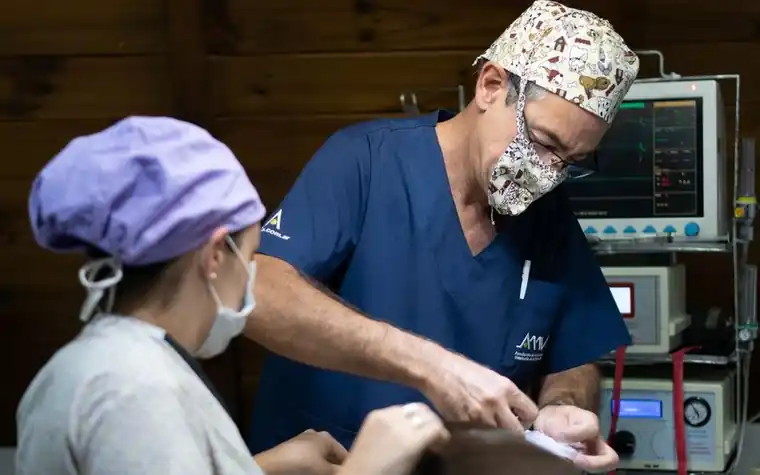
Because any dental cleaning requires general anesthesia, most practices require pre-anesthetic bloodwork to check kidney and liver function first -- particularly important for cats, since kidney disease is common and often silent in the early stages. Full-mouth dental X-rays are the other line item worth asking about upfront: they're how a vet actually finds resorptive lesions hiding below the gumline, since many aren't visible on a simple visual exam. Some practices bundle both into the quoted price; others itemize them, which is why two clinics can quote very different numbers for what sounds like the same cleaning.
Why anesthesia-free cleanings aren't the cheaper alternative
Non-anesthetic "cleanings" advertised as a lower-cost option sound appealing, but the American Veterinary Dental College and the American Animal Hospital Association both advise against them as a substitute for a full veterinary cleaning. Without anesthesia, a vet can't clean below the gumline -- where periodontal disease actually starts -- and can't take the X-rays needed to catch resorptive lesions before they cause pain. Choosing the cheaper option here often means paying for a cosmetic cleaning that misses the disease actually damaging your cat's mouth.
What drives the total bill up or down
The three biggest variables are your region's general cost of veterinary care, whether your cat needs any extractions at all, and whether bloodwork and X-rays are itemized separately. Age matters too -- older cats are more likely to need pre-existing bloodwork reviewed carefully and are statistically more likely to have resorptive lesions by the time a cleaning is scheduled. A young cat with clean teeth and no risk factors can come in near the bottom of the range; a senior cat with multiple resorptive lesions can end up well above it -- part of the wider pattern in what a cat costs after age ten, where screening and dental work both become more frequent.
How to budget before you book
Ask the clinic for a written estimate that separately lists the base cleaning, bloodwork, X-rays, and an estimated range for possible extractions -- most practices can't tell you the exact extraction count until your cat is already under anesthesia and X-rays are taken. Some clinics call partway through the procedure if extractions turn out more extensive than expected, so confirming their communication policy in advance avoids surprises on pickup day. If cost is a major concern, ask whether your pet insurance plan covers dental disease specifically, since many accident-and-illness plans exclude it unless added as a rider. Kittens skip most of this -- their first-year budget rarely includes a dental cleaning, since resorptive lesions are overwhelmingly an adult and senior-cat problem.
Bottom line
1. A base cat dental cleaning runs $300-$700, before any extractions.
2. Extractions add roughly $50-$150+ per tooth, and cats need them more often than dogs because of resorptive lesions.
3. Pre-anesthetic bloodwork and dental X-rays are how resorptive disease gets caught -- skipping them isn't the savings it looks like.
4. Ask for an itemized estimate before booking so extraction ranges aren't a surprise at pickup.
Costs are 2025-2026 published estimates from veterinary and pet-cost sources and vary by region, clinic, and individual cat. This article covers cost only and is not veterinary advice -- work with your vet on your cat's specific dental care needs.
All content is fact-checked under our editorial standards.