
How Much Does It Cost to Adopt a Dog? What the Fee Actually Covers
An adoption fee looks like a bargain next to a breeder's price tag, but the number on the shelter's website isn't the whole story -- it varies more than most first-time adopters expect, and what it actually covers changes just as much from one organization to the next. Here's what drives the range and how to tell whether a fee is a good deal before you sign the paperwork.

The national range: $50 to $600
Adoption fees typically fall between $50 and $450 for an adult dog and $150 to $600 for a puppy, depending on the organization. City and county shelters tend to sit at the low end, often $25-$300. National organizations and breed-specific rescues run higher -- one well-known humane society lists a range of $129-$767 across its dogs and puppies. The gap isn't random: it tracks age, breed demand, and how much veterinary work went into that particular dog before adoption day.
What the fee is actually paying for
A responsible shelter or rescue's adoption fee is built to cover the veterinary work already done, not to turn a profit. That typically includes the spay or neuter surgery, initial vaccinations, and often a microchip. Some organizations bundle in a first round of flea/tick prevention or a starter bag of food. When you compare two listings with very different fees, checking exactly which of these are included -- rather than assuming the higher number means a "nicer" dog -- usually explains most of the difference.
Why puppies and popular breeds cost more
Puppies and small, in-demand breeds consistently carry higher fees than adult dogs or larger breeds that are harder to place. This isn't the organization inflating prices on the dogs everyone wants -- it's partly cross-subsidy: fees on easier-to-adopt dogs help cover the higher medical costs (and longer shelter stays) of dogs that take more time and money to get adoption-ready. Dogs that have been waiting the longest, or older dogs, often have reduced or waived fees specifically to move them faster.
Why rescue fees can beat a city shelter's
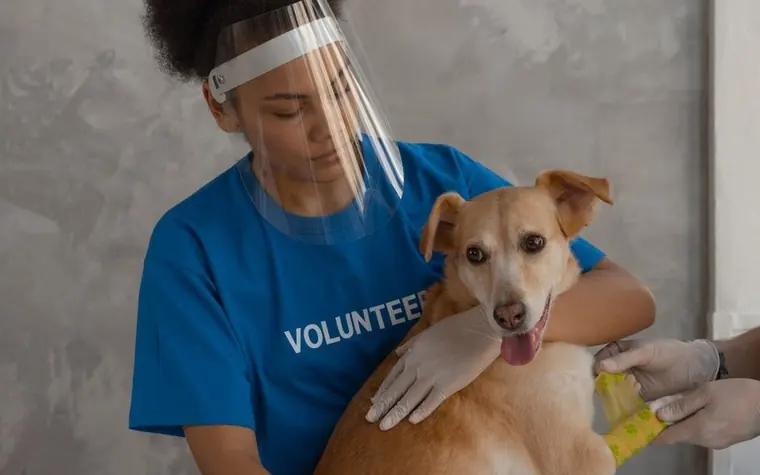
It seems backwards that a breed-specific rescue can charge more than a county shelter and still be the better financial deal, but the math often works out that way. Rescues frequently do more extensive vet work before adoption -- dental care, treating an existing condition, a longer vaccination series -- that a high-volume municipal shelter may not have the budget or staff time to complete. If you priced out that same vet care separately after taking home a lower-fee dog, the total could easily exceed the rescue's higher upfront number.
What's not included, and what to budget for next
Adoption fees almost never cover the supplies you'll need at home -- a crate, leash, collar, food and water bowls, and an initial bag of food are a separate cost, and covering just the basics before you even get the dog through the door commonly runs into three figures. It's also worth asking whether the adoption fee includes a follow-up vet exam or just the shelter's own veterinary work, since some new owners end up paying for a second wellness visit shortly after bringing the dog home to confirm everything checked out.
Questions worth asking before you pay
Ask exactly which vaccinations were given and when, since a dog vaccinated weeks ago may need a booster sooner than one vaccinated the day before adoption -- and see what a full vaccination series costs if you'll need to complete a puppy's shots yourself. Confirm whether the spay/neuter was already performed or is scheduled for after adoption (some rescues foster young puppies and require you to complete the surgery later at your own cost). And if the dog is a puppy, budgeting for adoption day is only the start -- the first year of a puppy adds vaccination boosters, training, and outgrown supplies well beyond the adoption fee itself.
Adopting vs. buying: the real comparison
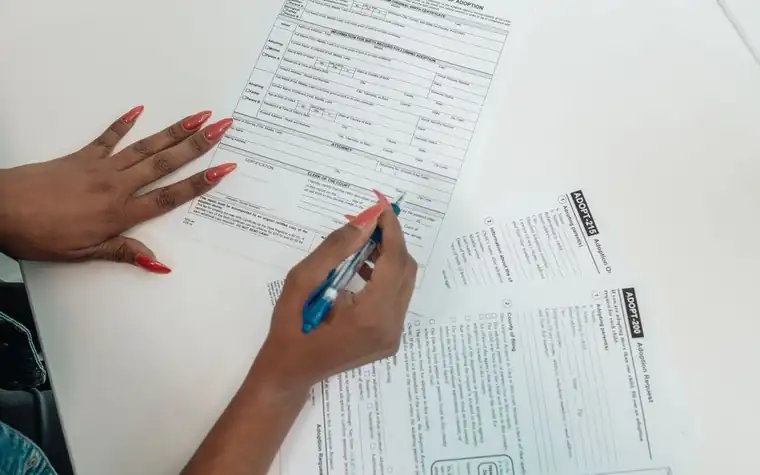
Comparing adoption to buying from a breeder only on sticker price misses the point, since a breeder price rarely includes spay/neuter, microchipping, or a full vaccination series -- costs an adopted dog typically arrives with already covered. Once you price in the veterinary work an adoption fee bundles in, the effective gap between adopting and buying is usually much larger than the two headline numbers suggest. It's also worth pricing your ongoing costs either way: monthly food, at roughly what dog food costs per month, and a pet insurance premium if you want one, run the same regardless of how the dog joined your household.
Bottom line
1. Expect $50-$450 for an adult dog and $150-$600 for a puppy, with city shelters at the low end and rescues higher.
2. The fee typically bundles spay/neuter, vaccinations, and a microchip -- ask specifically what's included before comparing two listings.
3. A higher rescue fee can still be the better deal once you account for the vet work already completed.
4. Budget separately for home supplies and a possible follow-up vet visit -- neither is usually part of the adoption fee.
Fees are 2025-2026 published ranges from shelters, humane societies, and rescue organizations and vary by region, organization, and individual dog. This article covers cost only and is not veterinary advice.
All content is fact-checked under our editorial standards.