
How Much Do Dog Vaccinations Cost? Clinic Prices, Shot by Shot
Ask three clinics what a dog vaccine costs and you will get three numbers that are not describing the same thing. One is quoting the vial. One is quoting the vial plus the exam it will not waive. One is quoting a package that bundles four visits, a microchip and a dewormer. The vaccines themselves are among the cheapest things a veterinary practice sells — published nonprofit prices run $10 to $39 per dose. What moves the total is the exam fee attached to each visit and the number of visits the schedule requires. Here is what the guidelines actually call for, what real clinics publish, and where the money goes.
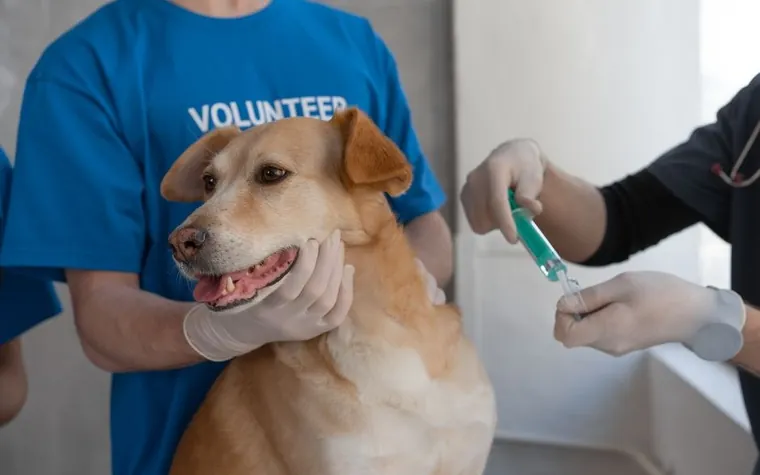
The vaccine is rarely the expensive line
Nonprofit and municipal clinics publish their price lists, which makes this one of the few veterinary costs you can check before you walk in. A few examples, all posted publicly by the organizations themselves:
| Clinic | Rabies | DHPP | Other posted |
|---|---|---|---|
| HEART (nonprofit, California) | $10 | $29 | DHLPP $39, Lepto $28, Bordetella (oral) $26, Lyme $26; exam + disposal fee $23 |
| Wisconsin Humane Society | $16 | $16 | Microchip $25 |
| Animal Welfare League of Arlington (VA) | $20 | Free (distemper) | Microchip $35 |
| San Diego Humane Society | $30 (1-yr and 3-yr) | $30 | Microchip $30 |
| Miami-Dade County | Wellness package $70 | Rabies + Bordetella + DHPP + microchip | |
Note what the HEART list does that most price pages do not: it separates the $23 exam and hazardous-materials disposal fee from the vaccine. That fee is the part people forget. Two doses at $10 each is $20 of vaccine and $23 of everything else.
What counts as a "core" vaccine changed in 2022
The American Animal Hospital Association's 2022 canine vaccination guidelines are the reference most US practices work from. The core list — meaning recommended for essentially all dogs regardless of lifestyle — covers canine distemper virus, canine adenovirus, canine parvovirus, parainfluenza, rabies, and Leptospira.
That last one is the change. Leptospirosis moved from non-core to core in the 2022 revision. If you are working from an older printout, or from a family member's memory of what their last dog got, lepto is the vaccine most likely to be missing from your mental list — and it is the one that turns a $29 DHPP into a $39 DHLPP on the HEART price sheet.
The puppy series is three to four visits, not one
This is where the arithmetic gets away from people. The guidelines do not describe a shot. They describe a series, and the series is defined by age at the final dose, not by how many you have paid for.
- DAP / parainfluenza: a minimum of three doses, starting at 6–8 weeks of age, given at intervals of 2–4 weeks, with the final dose at 16 weeks of age or older.
- Leptospira: two doses, 2–4 weeks apart, starting at 12 weeks of age or older.
- Rabies: timing is set by state law rather than by the guideline.
The "16 weeks or older" condition is why a puppy that started at six weeks may need four visits rather than three. Maternal antibodies can block the vaccine from taking, and they fade on their own schedule, so the last dose has to land after that window closes. A puppy who got three doses at 6, 9 and 12 weeks is not finished. Budget for the visit that completes it.
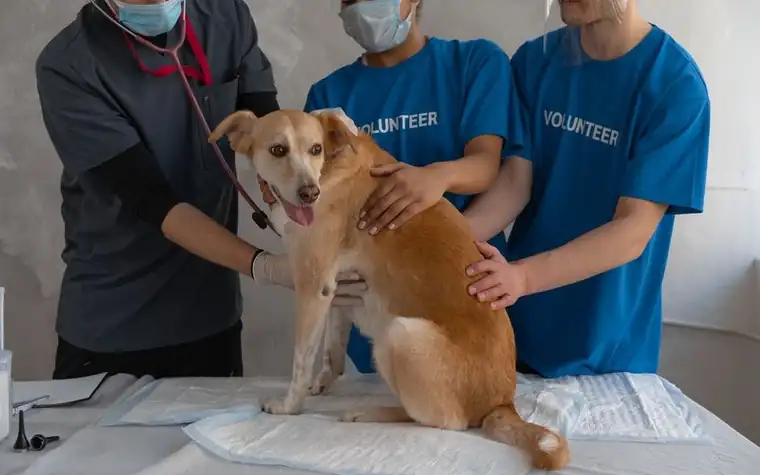
Rabies is the one you do not get to decline
Every other vaccine on the list is a medical recommendation you discuss with a veterinarian. Rabies is a legal requirement in most states, with the required age at first vaccination and the interval between boosters written into state or county law rather than into a clinical guideline. That is also why rabies is priced the way it is: counties run free or near-free clinics because getting the community vaccinated is a public health goal, not a retail one.
Practical consequences worth planning around:
- The certificate matters as much as the shot. Boarding facilities, groomers, dog parks and landlords ask for the rabies certificate, not for a verbal assurance. If you use a mobile or county clinic, keep the paperwork — replacing it later usually means paying for another exam.
- One-year and three-year products exist, and San Diego Humane Society prices both at $30. The three-year version is generally given after an initial one-year dose. Which one your dog is eligible for depends on vaccination history and state law.
- Lapsed status can reset you. Letting a three-year rabies expire may mean starting over on the one-year schedule, which costs you an extra visit.
If your budget planning is really about the first twelve months, we broke down what a puppy costs in year one — vaccines are a small share of it, and the surgeries are not.
What the private-practice bill adds
A full-service veterinary hospital is not selling you the same product a vaccine clinic is, and the price difference is mostly not markup on the vial. What you are paying for is:
- A wellness exam — a physical, weight check and record review, typically charged whether or not you also get a vaccine that day.
- A medical record that follows the dog, which matters when something goes wrong later.
- The ability to treat a reaction on the spot rather than sending you elsewhere.
- Bundled extras — fecal tests, dewormer, heartworm testing — that vaccine clinics generally do not include.
Whether that is worth the difference depends on what else the dog needs. A healthy adult with an established relationship at a practice can often get boosters at a county clinic and keep the annual exam separate. A puppy in the middle of a series is usually better served by continuity, because someone needs to be tracking which doses landed when.
Packages: read what is inside before comparing
Bundles are common and they are not comparable to each other. The Buffalo SPCA lists a puppy "Baby Bundle" for dogs 6–12 weeks at $25, containing dewormer, DHPP, flea treatment, and a microchip with registration. Miami-Dade's $70 wellness package covers rabies, Bordetella, DHPP and a microchip. Those two numbers describe genuinely different contents — the cheaper one has no rabies in it.
Three questions make packages comparable:
- Is rabies included, and for one year or three?
- Is the exam fee inside the package or added at checkout?
- How many visits does it cover? A package that covers one visit in a four-visit series has covered a quarter of the job.
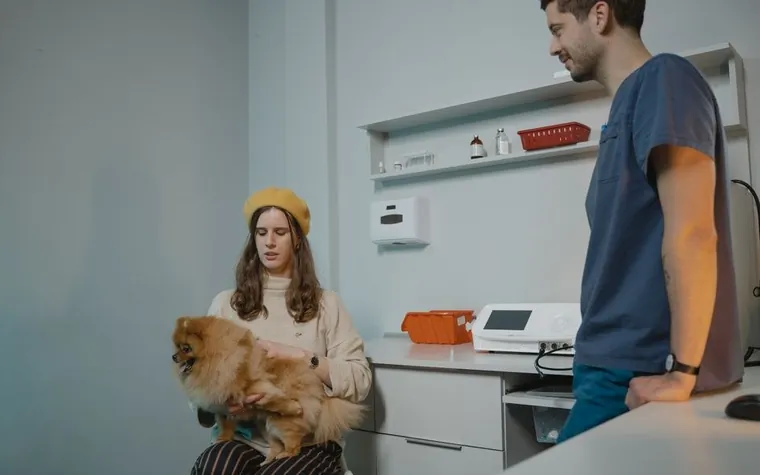
Where insurance sits, and where it does not
Standard accident-and-illness pet insurance does not pay for vaccines. Routine preventive care is normally an optional wellness add-on sold separately, with its own annual cap that tends to be set near what the care costs — which limits how much of it you come out ahead on. It is worth reading the wellness rider as a payment-smoothing product rather than as coverage.
The coverage question that actually matters is the expensive one behind it: parvovirus treatment can run into four figures, and that is an illness claim, not a routine one. If you are weighing a policy, our breakdowns of what pet insurance costs per month and what an emergency visit is made of cover the side of the ledger vaccines are meant to keep you off.
A short checklist before you book
- Find out what the dog has already had, and at what age. The final DAP dose has to be at 16 weeks or older to count.
- Ask whether the quoted price includes the exam fee. This single question explains most price gaps.
- Check your state's rabies requirement for the required age and booster interval.
- Ask whether leptospirosis is included in the combination being given — DHPP and DHLPP are not the same product.
- Look up your county animal services and local humane society before assuming you need a full-service appointment for a booster.
- Keep the certificates. Boarding and grooming will ask, and this is a cost you have already paid once. Our look at what a dental cleaning costs covers the other routine bill that catches owners out.
Sources and notes. Vaccine schedules and core designations: 2022 AAHA Canine Vaccination Guidelines — core vaccines include canine distemper virus, canine adenovirus, canine parvovirus, parainfluenza, Leptospira and rabies; leptospirosis was reclassified from non-core to core in the 2022 revision; DAP/parainfluenza minimum three doses beginning at 6–8 weeks at 2–4 week intervals with the final dose at 16 weeks of age or older; Leptospira two doses 2–4 weeks apart beginning at 12 weeks of age or older. Prices are as posted by each organization on its own public price page at the time of writing: HEART (California, nonprofit) — rabies $10, DHPP $29, DHLPP $39, leptospirosis $28, oral Bordetella $26, Lyme $26, exam and hazardous materials disposal fee $23; Wisconsin Humane Society — rabies $16, DHPP $16, microchip $25; Animal Welfare League of Arlington — rabies $20, distemper free, microchip $35; San Diego Humane Society — rabies (one-year and three-year) $30, DHPP $30, microchip $30; Miami-Dade County — full-service wellness package $70 including rabies, Bordetella, DHPP and microchip; Buffalo SPCA — puppy "Baby Bundle" for dogs 6–12 weeks $25 including dewormer, DHPP, flea treatment and microchip with registration. Checked August 2026. Clinic prices change without notice, vary by region, and are frequently limited to residents or to income-qualified households; confirm current pricing and eligibility with the clinic directly. Rabies vaccination requirements are set by state and local law and differ by jurisdiction. This article covers costs, coverage rules and scheduling only. It is not veterinary advice and does not replace examination, diagnosis or a vaccination plan from a licensed veterinarian, who should decide what your individual dog needs.
All content is fact-checked under our editorial standards.