
How Much Does a Dog Dental Cleaning Cost? Why the Estimate and the Final Bill Are Different Numbers
Of all the routine procedures in small animal practice, a dental is the one where the number on the estimate and the number on the invoice are least likely to match. Owners often read that as a clinic problem. It usually is not. A dental estimate is written before anyone can see the part of the tooth that matters, and the treatment plan is finalised in the middle of the procedure, once the dog is anaesthetised and the radiographs are on the screen. Understanding that sequence is the difference between feeling ambushed by a bill and being able to ask the right questions before you consent.
What you are actually buying is not a cleaning
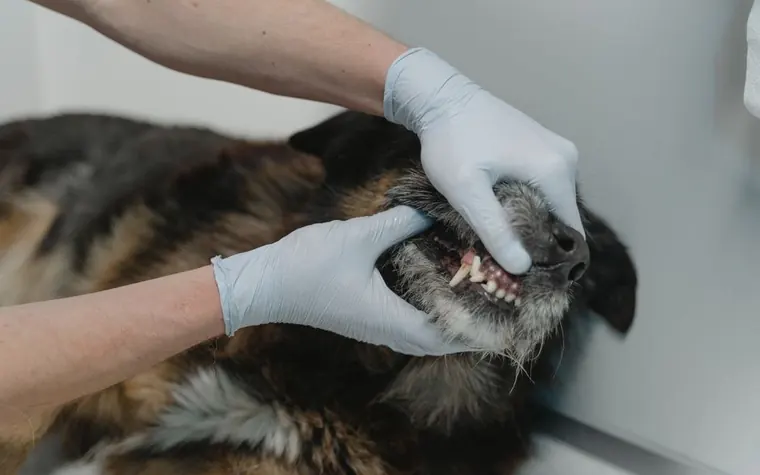
The word "cleaning" is a poor description of what happens. In veterinary practice the procedure is usually called a COHAT — comprehensive oral health assessment and treatment. Scaling and polishing are a small part of it. The bulk of the time and the bulk of the cost go to anaesthesia, monitoring, imaging and whatever treatment the imaging turns up.
That distinction matters commercially, because two clinics quoting very different numbers may be quoting for genuinely different procedures. One price may include full-mouth radiographs and one may not. One may include pre-anaesthetic bloodwork and one may bill it separately. Comparing headline figures without comparing line items tells you almost nothing.
The line items that make up the bill
A general-practice dental invoice is typically built from these components:
- Pre-anaesthetic exam and bloodwork — screening before the dog is a candidate for anaesthesia
- IV catheter and fluids — maintaining blood pressure during the procedure
- Anaesthesia and monitoring — induction, intubation, gas, and a dedicated person watching the monitors
- Full-mouth dental radiographs — imaging of the roots and surrounding bone
- Scaling above and below the gumline, plus polishing
- Extractions and nerve blocks — billed per tooth, and priced by difficulty rather than by tooth
- Take-home pain relief, and sometimes antibiotics
Anaesthesia is reported as the single largest driver, commonly described as roughly 30 to 50 percent of the total on a dental with no extractions. This is also why a dental is not a procedure that scales down neatly: the fixed anaesthetic cost is there whether one tooth or twelve needs work.
The reported ranges, and why they are so wide
Published US ranges from clinics and cost-tracking sites cluster like this. Treat them as orientation, not as a quote — geography moves these numbers more than almost any other factor.
| Scenario | Commonly reported range |
|---|---|
| Dental with no extractions, general practice | About $300 to $700 |
| Simple extraction (single-rooted tooth) | About $50 to $150 per tooth |
| Surgical extraction (multi-rooted, or requiring bone removal) | About $150 to $500 per tooth |
| Dental with extractions or advanced periodontal treatment | Frequently $1,000 to $2,000 or more |
| Non-anaesthetic scaling at a groomer or mobile service | About $100 to $300 |
Board-certified veterinary dentists and referral hospitals sit above these bands, and for advanced work — root canals, jaw fractures, oral masses — that is often the appropriate place to be. If you are budgeting for the year, put dental work in the same mental column as the other unpredictable line in a dog's first-year costs: not optional, not evenly spread.
Why the estimate moves — the radiographs
Here is the mechanism behind almost every surprise dental bill. The estimate is written from what a vet can see with a conscious dog's mouth briefly open. The treatment plan is written from what the radiographs show once the dog is under.
The gap between those two views is documented. In a study of dogs published in the American Journal of Veterinary Research (Verstraete et al., 1998), radiographs of teeth that had no visible clinical lesions produced incidental findings in 41.7 percent of dogs and clinically important findings in 27.8 percent. In other words, in roughly one dog in four, imaging changed what needed to be done in a mouth that looked unremarkable from the outside.
That is why a dental estimate should be a band rather than a figure, and why the consent conversation should include what the clinic will do if it finds more than expected — call you, or proceed up to an agreed ceiling. Ask which. Waking a dog up and re-anaesthetising it later is worse for the dog and far more expensive for you.
The anaesthesia-free option, and what it is priced for
Non-anaesthetic dental scaling is offered at some grooming and mobile services for a fraction of a clinic dental. It is worth being precise about what that price buys.
The American Veterinary Dental College has held a position statement against companion animal dental scaling without anaesthesia since 2004. The 2013 AAHA Dental Care Guidelines for Dogs and Cats state that general anaesthesia with intubation is necessary to properly assess and treat the veterinary dental patient. The reasoning is structural rather than commercial: an awake dog cannot be probed below the gumline, cannot hold still for radiographs, and cannot have the airway protected from water and debris. The AVDC statement also notes the risk of soft tissue injury when a patient moves unexpectedly against scaling instruments.
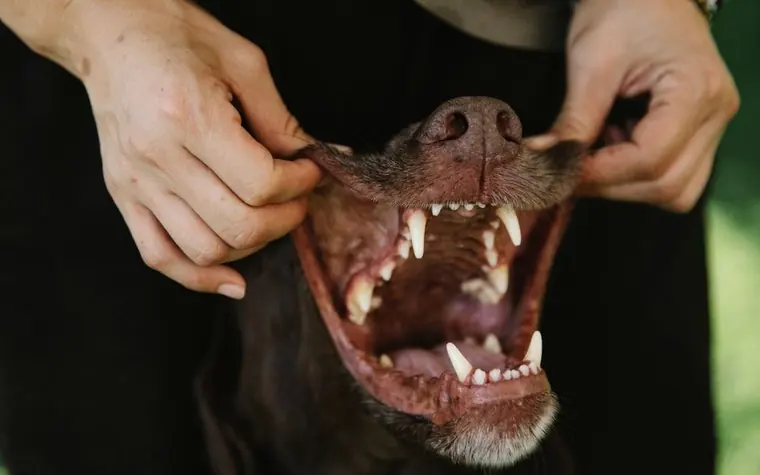
So the honest framing is that a non-anaesthetic scale removes visible tartar from the crown. Periodontal disease lives below the gumline, where that procedure does not reach. It is a cosmetic service priced as one, and it does not substitute for the procedure it resembles.
What insurance does and does not do here
Dental is one of the least uniform areas in pet insurance, so read your own wording rather than a summary.
- Routine cleaning is generally not covered by a standard accident-and-illness policy. Some insurers offer it inside an optional wellness or routine-care add-on, usually with a low annual allowance.
- Dental illness — periodontal disease, tooth resorption, extractions arising from disease — is covered by some policies, excluded by others, and covered by many only up to a separate annual sub-limit.
- Dental accidents such as a fractured tooth are the most widely covered category.
- Several insurers attach a compliance condition: dental illness cover applies only if the dog has had a documented dental exam within a defined window, often the preceding 12 to 13 months.
Two other clauses do most of the work in dental claims specifically. If tartar or gingivitis was noted at an exam before your policy started, that note can sit on the file as a pre-existing finding — which is why the mechanics in waiting periods and pre-existing conditions matter more for dental than for most categories. And whether the premium is worth carrying at all depends on the numbers in monthly pet insurance costs.
Questions that change the number
These are worth asking before you book, not on collection day:
- "Does the quoted price include full-mouth radiographs, or are they extra?"
- "Is pre-anaesthetic bloodwork in this figure?"
- "What is the estimate range if extractions are needed — low end and high end?"
- "Will you call me during the procedure if the plan changes, or should I authorise a ceiling now?"
- "Are nerve blocks and take-home pain relief included in the extraction price?"
- "Is there a recheck fee afterwards, and is suture removal separate?"
One more piece of arithmetic. A dental deferred often does not stay the same price. Periodontal disease is progressive, and the cost difference between a scale-and-polish and a mouth needing multiple surgical extractions is the difference between the first and last rows of the table above. Deferring is a real financial decision, not a neutral one — and if the mouth becomes painful outside business hours, you are in the pricing world described in emergency vet visit costs instead.
Sources and date: 2013 AAHA Dental Care Guidelines for Dogs and Cats; American Veterinary Dental College position statement on companion animal dental scaling without anaesthesia (in force since 2004); Verstraete et al., American Journal of Veterinary Research, 1998, on radiographic findings in teeth without clinical lesions (41.7% incidental, 27.8% clinically important in dogs). Price bands are ranges reported by US general practices and cost-tracking publications as of August 2026 and vary substantially by region, clinic type and individual patient; they are not a quote. This article covers costs, coverage and process only. It is not veterinary advice, and nothing here should be used to decide whether your dog needs a procedure, to delay one, or to substitute for examination by a licensed veterinarian.
All content is fact-checked under our editorial standards.