
How Much Does Dog Allergy Treatment Cost? Apoquel, Cytopoint, and Allergy Testing Compared
A dog that won't stop scratching, licking paws, or shaking its head usually ends up on one of two long-term medications -- or, if the vet suspects a specific trigger, allergy testing. The three paths cost very different amounts, and the "cheaper" option upfront isn't always cheaper over a year. Here's how the numbers actually break down.

Apoquel: the daily pill
Apoquel (oclacitinib) is typically dosed twice daily for the first two weeks, then once daily for maintenance. Most owners pay around $70 to $200 per month, with the most common dose landing near $90-$100/month for a mid-size dog -- tablets run roughly $3 each at that dose. Cost scales with your dog's weight since larger dogs need a higher tablet strength or more tablets per dose. Because it's a daily pill, Apoquel's cost is steady and predictable month to month, which makes it easier to budget than an injection schedule.
Cytopoint: the injection with a longer gap between costs
Cytopoint (lokivetmab) is an injectable antibody given by your vet, and most dogs need a dose every four to eight weeks to keep itching controlled. A single injection runs $60 to $220 depending on your dog's weight -- larger dogs need more of the drug per dose. Annualized, that works out to roughly $350 to $2,600 a year, with the wide range driven almost entirely by dog size and how often your dog's particular allergy pattern needs a repeat dose. Some dogs stay comfortable on injections every 8 weeks; others need every 4, which roughly doubles the yearly total.
Apoquel vs. Cytopoint: the trade-off isn't just price
Comparing the two on a monthly basis, Cytopoint often costs more per dose but requires far fewer doses across a year, while Apoquel costs less per dose but adds up daily. For a lot of owners the real deciding factor isn't the sticker price -- it's convenience (remembering a daily pill vs. a clinic visit every month or two) and how your individual dog responds, since not every dog controls itch equally well on both drugs. Vets sometimes start with one and switch to the other if response is incomplete, which means budgeting for the possibility of paying for both before landing on what works.
Allergy testing: a bigger bill upfront, aimed at a different goal
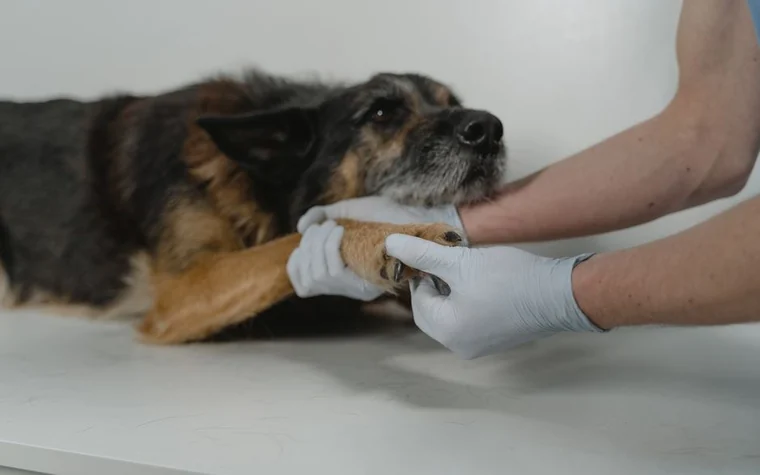
Neither Apoquel nor Cytopoint identifies *what* your dog is allergic to -- they just suppress the itch response. If your vet recommends intradermal skin testing or blood (serum) allergy testing, that's a separate cost, and it's usually the first step toward allergen-specific immunotherapy (allergy shots or oral drops) rather than a replacement for daily medication. Combined, testing plus a course of immunotherapy can push first-year costs into the low thousands of dollars. The upside some owners see over time is a reduced need for daily or monthly medication as immunotherapy takes effect over months, which can lower the ongoing bill in later years even though the first year is the most expensive.
What actually drives your total bill
Four things move the number most: your dog's body weight (bigger dogs need more drug per dose on both Apoquel and Cytopoint), how often flare-ups recur across the year, whether your vet bundles the office visit fee into the medication cost or bills it separately, and your region's general cost of veterinary care. A dog with seasonal allergies that only flares for two or three months a year will cost far less than one with year-round symptoms needing continuous management -- which is part of why some owners see wildly different quotes from dog owners in online forums even for the "same" medication. Chronic allergy management also tends to compound with age: a dog already dealing with the routine costs covered in what a dog costs after age 7 often carries allergy medication as one more recurring line item alongside twice-yearly exams.
Questions worth asking before you commit to a plan
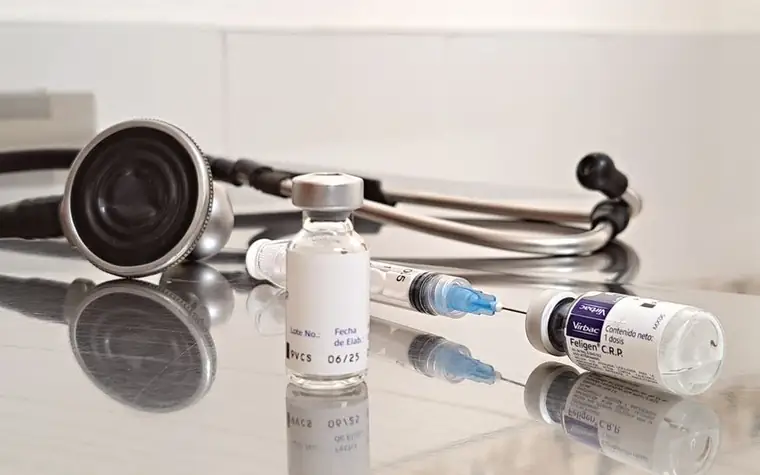
Ask your vet whether the quoted price includes the recheck exam that's often required before an injection or prescription refill, since that visit fee can add $50-$100 each time it's needed. Ask how quickly you should expect to see improvement on each option, since paying for six weeks of a drug that isn't working is money spent without benefit. If your dog is already enrolled in a pet insurance plan, check whether chronic allergy management is treated as a pre-existing condition once diagnosed -- for a lifelong condition like allergies, this can matter more than it does for a one-time injury. It's also worth asking whether the same visit can double up on routine vaccinations if they're due around the same time, since combining visits saves you a separate exam fee.
Bottom line
1. Apoquel runs about $70-$200/month, paid as a daily pill.
2. Cytopoint runs $60-$220 per injection every 4-8 weeks, or roughly $350-$2,600/year.
3. Allergy testing plus immunotherapy can reach low thousands in year one, but aims to reduce long-term medication costs rather than replace them immediately.
4. Ask about recheck-exam fees and pre-existing-condition rules before comparing quotes across clinics.
Costs are 2025-2026 published estimates from veterinary and pet-cost sources and vary by region, clinic, and individual dog. This article covers cost only and is not veterinary advice -- work with your vet to choose and monitor the right allergy management plan for your dog.
All content is fact-checked under our editorial standards.