
Home › Grooming, Boarding & Supplies
How Much Does Professional Dog Grooming Cost? Coat Type and Breed Size Set the Price
Ask five groomers what a full groom costs and you'll get five different numbers -- and all five can be correct. Dog grooming pricing isn't a flat rate card the way a haircut is; it's built from two variables that stack on top of each other: how big the dog is, and what its coat actually does. Skipping either one is how people end up shocked by a bill that's double what a neighbor paid for a dog the same size.
Size sets the floor
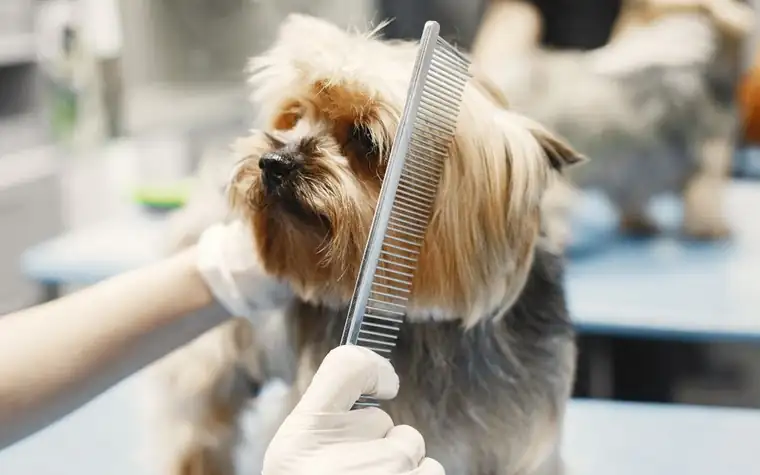
Weight and size are the first pricing lever, and most shops price in bands rather than exact pounds. A basic bath-and-brush service runs roughly $25-$50 for small dogs under 20 lbs, $50-$75 for medium dogs (20-50 lbs), $75-$125 for large dogs (50-80 lbs), and $125-$200 for extra-large dogs over 80 lbs. A full groom package -- bath, haircut, nail trim, and ear cleaning -- moves those same bands up to roughly $75-$125 for small, $125-$175 for medium, $175-$200 for large, and $200-plus for XL breeds. Size alone explains a lot of the spread, but it doesn't explain all of it.
Coat type is the second, bigger lever
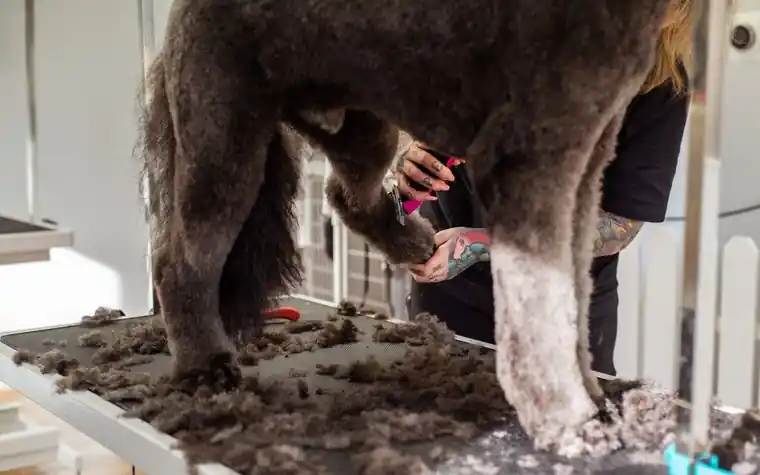
A short-haired dog and a double-coated or curly-coated dog of the identical weight do not cost the same to groom, because the labor time is completely different. Thick double coats need de-shedding tools and longer brush-out time before a bath even starts. Curly and wire coats need scissoring or hand-stripping instead of a quick clipper pass. That's why breed-specific pricing often overrides the simple size chart: a Standard Poodle runs $80-$150 for its intricate cut and high-maintenance coat, a Bichon Frise runs $65-$120 for specialized fluffy styling, and an Afghan Hound runs $100-$200 for its long, silky coat -- all of which can weigh less than a short-haired Labrador priced lower.
Shop-based pricing in 2026
For a full-service groom at a brick-and-mortar shop, published 2026 pricing runs about $40-$80 for a small dog, $70-$110 for medium, $90-$140 for large, and $120-$180 for XL or giant breeds. The national average across all sizes and coat types lands around $85, which is a useful benchmark but not a quote -- your actual price depends on where your dog's size and coat fall on the two scales above.
The line item that blows up a "standard" quote: matting
A quoted price assumes a coat in reasonably brushed-out condition. If a dog comes in matted -- which happens fast with double coats and curly coats left too long between visits -- de-matting is billed separately because it takes real time and wears down clipper blades faster than a normal trim. Some shops charge de-matting by the quarter-hour, others tack on a flat surcharge, and a handful will recommend shaving down a badly matted coat instead, which changes the whole service. Asking "is my dog's coat matted enough to trigger an extra charge" before the appointment is a cheap way to avoid a surprise total.
Mobile groomers and add-ons change the math too
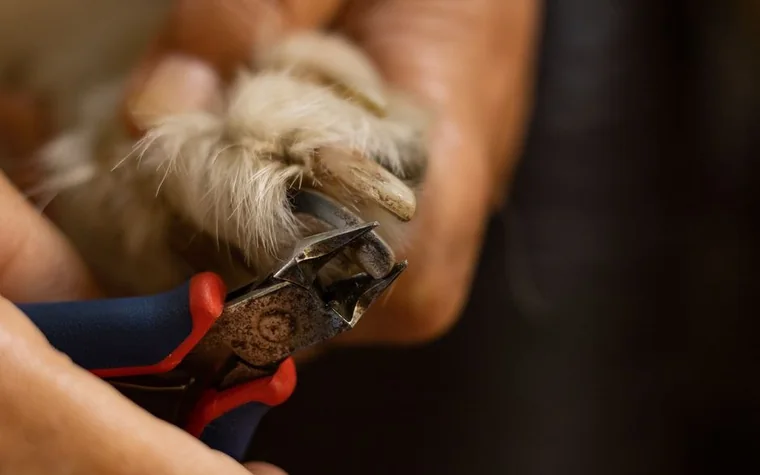
Mobile groomers who come to your driveway typically charge more than a shop for the same size and coat combination, since you're paying for the van, the travel time, and a one-on-one appointment instead of a shop rotating several dogs through in a day. On top of any base groom price, common add-ons -- teeth brushing, nail grinding instead of clipping, a medicated or de-shedding shampoo upgrade -- are usually priced individually rather than bundled, so a "full groom" quote and a "full groom plus everything" quote can differ by a meaningful amount.
How grooming frequency changes your annual total
A short-haired dog might only need a bath-and-brush every couple of months, while a fast-growing curly coat like a Poodle's or Bichon's typically needs a full groom every 4-6 weeks to stay manageable and avoid the matting surcharge above. Multiplying a single visit's price by that frequency, rather than by a generic "once a season" assumption, is what actually predicts your annual grooming line item.
What this means alongside your other routine pet costs
Grooming rarely happens in isolation from other recurring dog expenses. If you're already tracking year-round flea and tick prevention or budgeting for ID tags and trackers, grooming is worth adding to the same recurring-cost spreadsheet rather than treating it as a one-off surprise each time the coat gets shaggy.
Bottom line
1. Start from size -- it sets the base band for any groom.
2. Adjust for coat type -- double coats, curly coats, and long silky coats push the price above what size alone would suggest.
3. Ask about matting policy before booking, since it's the most common reason a quote and a final bill don't match.
4. Multiply by real frequency, not a guess, to budget the annual total.
Prices are 2026 published industry averages and vary by region, individual groomer, and dog temperament. Get a quote based on your specific dog's size and coat condition before booking. This article covers cost only and is not veterinary advice.
All content is fact-checked under our editorial standards.