
How Much Does It Cost to Microchip a Pet? The Implant, the Registry Fee, and the Failures That Are Clerical
A microchip is the cheapest thing on most vet invoices and the one most likely to be quietly useless. The implant itself runs roughly the price of a nail trim. The part that actually brings a lost dog home — the registration in a database that a shelter can search — is a separate transaction that a large share of owners never complete. The result is a chip that scans fine and leads nowhere.
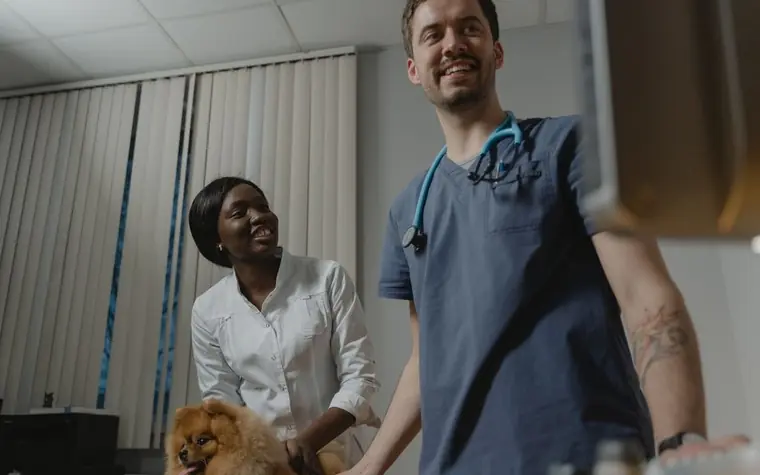
This article prices both halves and shows where the money actually decides the outcome. The numbers below come from published registry fee schedules and from a shelter study that tracked what happened to more than seven thousand microchipped animals.
The implant is a one-time fee in the $25 to $60 range
Microchipping is an injection, not a surgery. A pre-loaded needle places a rice-grain-sized transponder under the skin between the shoulder blades. It takes under a minute, needs no anesthesia, and does not require a separate appointment.
Prices split into three tiers that behave very differently:
- Full-service veterinary clinic, standalone visit. Roughly $45 to $60 for the chip, plus whatever the clinic charges for the exam that day. If you book a visit purely to microchip, the exam fee usually costs more than the chip.
- Added to an existing appointment. The same chip, no second exam fee. This is why chipping at the spay/neuter or annual-vaccine visit is the cheapest route through a private practice.
- Shelter, humane society or low-cost vaccine clinic. Frequently $25 or less, and sometimes bundled into an adoption fee at no separate charge.
Because the chip is inert and has no battery, there is no replacement cycle. Barring migration or a rare failure, you pay for the implant once in the animal's life. That is genuinely unusual on a pet budget, where nearly everything else — vaccinations shot by shot, food, grooming — repeats annually.
Registration is a second purchase, and it is the one that matters
The chip carries a number. Nothing else. No name, no phone, no address, no GPS. When a shelter scans a stray, they get a 9-, 10- or 15-digit number and then have to look it up in a registry that holds your contact details. If nobody ever put your details into a registry, the scan produces a number and a dead end.
Lifetime enrollment with a national database is typically a one-time fee under $25. HomeAgain lists $19.99 for lifetime enrollment including contact updates. AKC Reunite lists lifetime enrollment at $19.50, with no annual or renewal fees. Several registries offer free basic listings. What you are buying at these prices is a searchable record with unlimited updates — not a service, not monitoring.
Two cost traps sit here. First, some registries sell a paid annual membership layered on top of the free or lifetime listing, bundling extras like lost-pet alerts or a 24-hour hotline. Those extras may be worth it to you, but the recovery function does not depend on them. Second, some registries charge a fee to change the owner of record — relevant if you adopt a dog that is already chipped and registered to a breeder or shelter.
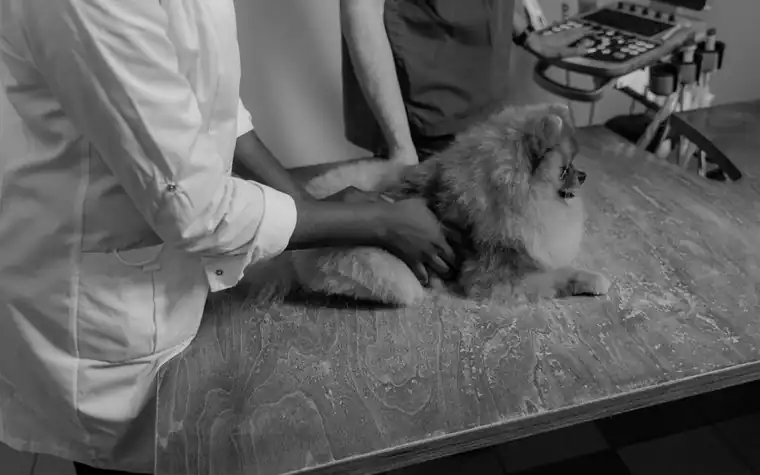
What the shelter data shows about chips that fail
The most-cited evidence here is a 2009 study by Lord and colleagues, published in the Journal of the American Veterinary Medical Association, which followed 7,704 microchipped animals entering 53 shelters across 23 states between August 2007 and March 2008.
| Group | Returned to owner |
|---|---|
| Microchipped dogs | 52.2% |
| All stray dogs | 21.9% |
| Microchipped cats | 38.5% |
| All stray cats | 1.8% |
For cats the difference is the headline: a microchipped cat was roughly twenty times more likely to go home. But the more useful number for a budget decision is the failure breakdown. Owners were located for 72.7% of the microchipped animals. When they were not, the reasons were mostly clerical, not technical:
- Incorrect or disconnected phone number — 35.4%
- Owner never responded to calls or letters — 24.3%
- Microchip registered in a database different from the manufacturer's — 17.2%
- Microchip never registered at all — 9.8%
Add the first, third and fourth lines and roughly six out of ten failures trace back to a database record, not to the chip or the scanner. That is the whole economic argument: a $20 registration and a two-minute update after you move are worth more than any premium chip.
The payoff is far bigger for cats than for dogs
Look again at the two baselines. A stray dog with no chip still went home 21.9% of the time, because dogs get recognized, get walked back to the neighbor, get called by name. A stray cat with no chip went home 1.8% of the time. Cats are handed in without collars, look like every other tabby, and are frequently assumed to be community cats rather than someone's pet.
That is why the same $20 buys a different amount of insurance depending on the species. For a dog, the chip roughly doubles the odds of recovery. For a cat, it moves the odds from near zero to better than one in three. If you are budgeting for a multi-pet household and looking for somewhere to economize, the cat's registration is the last line to cut. It also explains why the study found only 1.8% of all stray dogs and cats entering those shelters had a chip at all — the baseline coverage was tiny, and the animals that had one were a self-selected minority.
Frequency and scanner compatibility, priced honestly
Chips are sold at different radio frequencies. The international standard, ISO 11784/11785, operates at 134.2 kHz; older North American chips used 125 kHz or 128 kHz. Modern shelters overwhelmingly use universal scanners that read all three, so the frequency question is far less of a gamble than it was fifteen years ago. It still matters in one specific case: international travel, where destination countries commonly require an ISO 134.2 kHz chip. If your pet has a legacy chip, the usual answer is a second chip rather than removal, and you register both numbers.
You do not need to buy a scanner or an app. The AAHA Universal Pet Microchip Lookup tool takes a chip number and tells you which registries hold a record for it. It is free, and it is the same trail a shelter follows. Run your own pet's number through it once a year; if it comes back with no record or the wrong registry, you have found a problem that a $20 fix solves.

When the chip cannot be found
Two things go wrong physically. A chip can migrate — drift from between the shoulder blades down toward the elbow or chest — and a chip can fail to read. Both are uncommon, and both are usually solved by technique rather than by money: a proper scan sweeps the whole animal slowly, in an S pattern, from head to tail and down each leg, not a single pass over the shoulders. In the shelter study, 87% of chips were detected at intake, about 10% during medical evaluation, and about 2.5% only later — meaning a meaningful share were missed on the first scan.
If a chip genuinely does not read, replacing it costs the same as the original implant; the old chip is left in place rather than dug out, and you register the new number alongside it. The practical takeaway for an owner is cheaper than any of that: at every routine visit, ask the vet to scan the chip and read the number back to you. It costs nothing, it confirms the chip still works, and it catches a wrong number in your own records before it matters.
How microchipping compares to the alternatives
A collar tag with a phone number is the fastest recovery method that exists, because a neighbor can read it without a scanner. It costs about $10 and it falls off. A GPS tracker gives live location but costs $50 to $150 up front plus a $5 to $15 monthly subscription, and it stops working when the battery dies or the collar comes off. The microchip is the one that cannot be removed and never needs charging, and it is the only one shelters and vets systematically check.
These are not substitutes. The realistic setup is a tag for the neighbor, a chip for the shelter, and a tracker only if you have a specific escape problem worth $100 a year. Compared with the recurring lines on a pet budget — boarding at nightly rates, monthly food, or the premiums covered in what pet insurance costs per month — the chip is a rounding error that changes the worst-case outcome.
What to do this week
- Find your chip number. It is on the adoption paperwork, the vet record, or the tag that came with the chip. If you cannot find it, any vet or shelter will scan for free.
- Run the number through the AAHA Universal Pet Microchip Lookup. Confirm a registry actually holds a record.
- Open the registry record and read the phone number out loud. The single largest failure category is a number that no longer works.
- Add a second contact. A partner, a parent, or anyone who answers unknown numbers. One in four located owners never responded.
- Check whether you owe a transfer fee. If you adopted the animal, the record may still name the shelter or breeder.
- Ask the price two ways at your next visit. Chip alone versus chip added to an appointment you were making anyway.
Prices, registry fees and enrollment terms change, and they vary by clinic, shelter and state. Confirm current pricing with your veterinarian or local shelter and current terms directly with the registry before you pay. This article is about cost and record-keeping. It is not veterinary advice; talk to your veterinarian about your pet's care.
All content is fact-checked under our editorial standards.