
How Much Does It Cost to Treat Ringworm in Cats? Diagnosis, Lime Sulfur Dips, Oral Antifungals, and Decontaminating the House
Despite the name, ringworm is a fungal infection -- caused by dermatophyte fungi, most commonly Microsporum canis in cats -- not a parasite. It's also one of the few skin conditions in cats that's genuinely contagious to people and other pets, which is why treatment cost estimates always need to include more than just the vet bill for the cat itself. Kittens, longhaired cats, and cats from shelters or multi-cat households are affected most often, and some infected cats show no visible lesions at all -- they're just carriers.
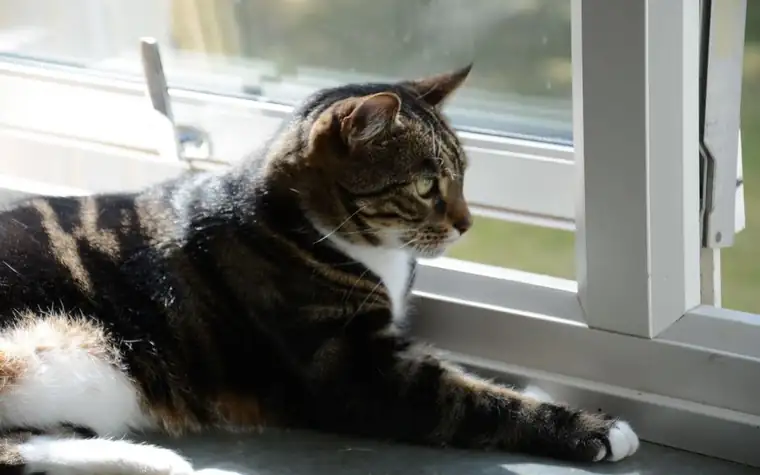
Ringworm isn't a worm, and in cats it's often invisible
Diagnosis: $50-$150 before treatment even starts
Confirming ringworm typically starts with a Wood's lamp exam (a UV light that makes some -- not all -- infected hairs fluoresce, rolled into a standard exam fee) and, for a definitive answer, a fungal culture that takes 1-2 weeks to grow and read. A routine exam plus culture generally runs $50-$150. Some clinics send samples to an outside lab for PCR testing, which is faster but adds to the bill. Because a negative Wood's lamp doesn't rule out ringworm, cats with a suggestive lesion often get treated presumptively while the culture is still pending.
What a small, localized case costs
For a single small patch on an otherwise healthy adult cat, treatment can run under $100 beyond the initial diagnosis: a topical antifungal cream or spray applied to the lesion, sometimes combined with clipping the fur around it. Full resolution still takes 1 to 3 months even in mild cases, because dermatophyte spores shed from hair shafts long after the visible lesion looks better.
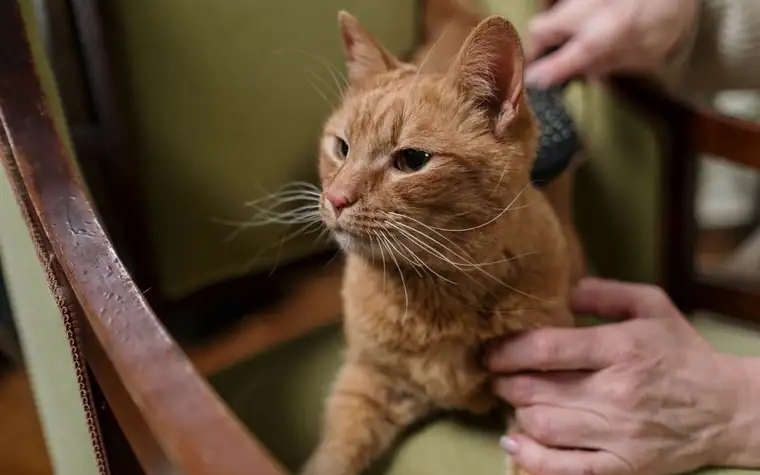
Lime sulfur dips -- cheap medication, messy logistics
Lime sulfur dip is the most cost-effective topical treatment and a common first-line choice, especially for kittens too young for oral antifungals. The dip solution itself is inexpensive -- retail bottles run from around $23 and one bottle covers many dips -- but the real cost is the twice-weekly routine: the cat needs to be fully saturated, air-dried without rinsing, and this continues for 6-8 weeks or longer. It also smells strongly of sulfur and can temporarily discolor light-colored fur, which is why some owners pay a groomer or vet tech to do the dips rather than doing it at home.
Oral antifungals: itraconazole and the newer Itrafungol option
More extensive or stubborn cases add an oral antifungal. Traditional compounded itraconazole is dosed by weight for several weeks and requires periodic bloodwork to monitor liver enzymes, since the drug is processed through the liver -- that monitoring adds recurring vet visit costs on top of the medication itself. A newer FDA-approved formulation, Itrafungol, is sold in single-cat-sized bottles priced around $40 and is labeled for a fixed multi-week course, which makes budgeting more predictable than compounded itraconazole, though it's a prescription item your vet needs to dispense or authorize.
Decontaminating the house is the cost owners forget
Dermatophyte spores survive in the environment -- on carpet, furniture, and bedding -- for many months, so treating the cat alone doesn't end the infection cycle in a multi-pet or multi-person household. Realistic decontamination means frequent vacuuming and disposal of the vacuum bag, washing all bedding in hot water, and diluted bleach solution on hard surfaces the cat has contact with. None of this shows up on a vet invoice, but skipping it is the single most common reason ringworm cases drag on past the 1-3 month window and end up costing more in repeat vet visits.
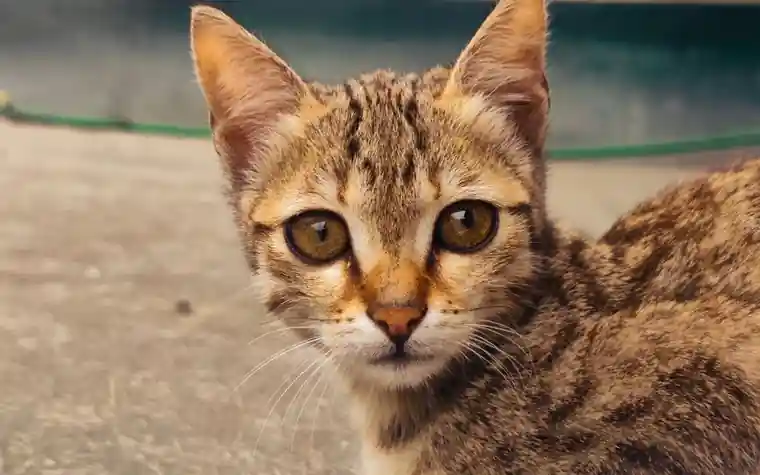
Adding it up: what a full case actually runs
A mild, localized, quickly-caught case treated with topicals alone can stay under $100-$200. A more typical case needing lime sulfur dips plus an oral antifungal and a follow-up culture to confirm the infection has cleared commonly lands in the $200-$500 range. Severe, widespread, or slow-to-resolve cases -- especially in multi-cat households needing repeat cultures over several months -- can run $500 or more once follow-up visits and bloodwork are included. Adopting a kitten from a shelter carries a real chance of bringing ringworm home during the vulnerable early months covered in a kitten's first-year cost breakdown, which is one more reason new-kitten budgets should leave room for an unplanned vet visit.
Does pet insurance cover any of this?
Coverage depends entirely on timing. If a kitten is enrolled in a pet insurance policy before any signs of ringworm appear, treatment is typically covered as an illness claim once the policy's illness waiting period has passed -- often 14 days after enrollment. But ringworm's incubation period can run up to two weeks with no visible signs, so a kitten adopted and enrolled at the same time may develop symptoms just as the waiting period is ending, and insurers can classify it as pre-existing if any documentation shows symptoms started before coverage kicked in. Routine screenings like core kitten vaccinations don't include any dermatophyte protection, since there's no vaccine used in general veterinary practice for ringworm.
This article covers typical cost ranges and general information only -- it is not veterinary advice. Any cat with a suspicious skin lesion, hair loss, or scaling should be evaluated by a licensed veterinarian, who can confirm the diagnosis and recommend a treatment plan suited to that cat's age, health, and household.
All content is fact-checked under our editorial standards.