
How Much Does It Cost to Clean a Dog's Teeth? Why Anesthesia Isn't Optional, and What Pushes the Bill Past $1,000
Roughly 80% of dogs show some degree of periodontal disease by age three, according to figures cited by the American Veterinary Medical Association -- which is why "how much does a dental cleaning cost" is one of the most common questions dog owners ask a general-practice vet. The honest answer has a wide range: a routine anesthetic cleaning on a dog with reasonably healthy teeth typically runs $300-$700, while a mouth with disease under the gumline, extractions, and imaging can push the total to $1,500-$2,000 or more. The price swing comes down to what's found once the dog is actually asleep.
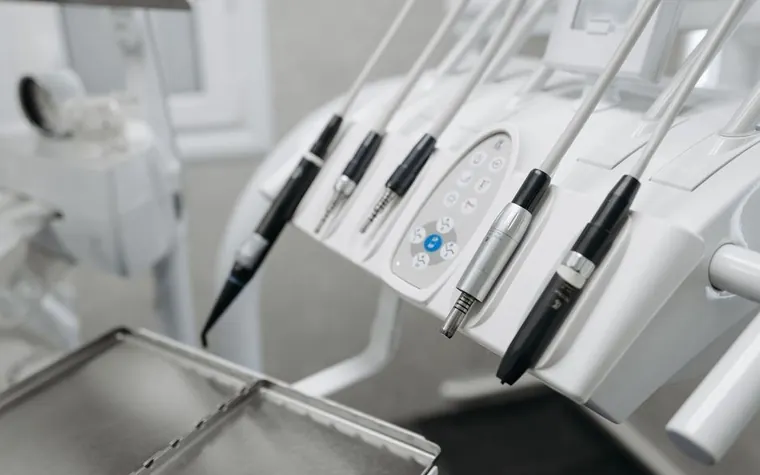
What a "dental cleaning" quote actually includes
A veterinary dental cleaning is not the same service as a human dental hygienist visit. The baseline quote from a general-practice vet usually bundles a pre-op physical exam, the anesthesia itself and its monitoring equipment, a full scale-and-polish on every tooth, and a written record of any problem spots the vet flags along the way. That bundle is what most $300-$700 quotes describe. It does not automatically include bloodwork, imaging, or treatment for any disease the vet finds once your dog is under -- those get quoted separately, which is the single biggest reason two dogs can walk out of the same clinic with very different bills.
Why general anesthesia isn't optional here
The American Veterinary Dental College (AVDC) and the American Animal Hospital Association (AAHA) are explicit on this point: a thorough job requires working beneath the gum line, where most periodontal disease actually takes hold, and that's not something a dog will hold still for while conscious. Sedation also lets the vet probe each tooth for pocket depth and capture imaging without the movement risk of a frightened animal. AAHA's 2019 dental care guidelines describe anesthesia as necessary for a safe, complete oral exam -- not an upsell.
The "anesthesia-free" version isn't a cheaper equivalent
Anesthesia-free ("non-anesthetic") dental cleanings are marketed as a budget option, usually scraping visible tartar off the crown while the dog is awake and held in place by hand. The AVDC and AVMA both classify this as cosmetic only: it can't reach beneath the gum line, can't capture diagnostic imaging, and can't address whatever is actually damaging a tooth's support structure. A handful of states restrict who's allowed to perform it. If a quote for "teeth cleaning" comes in dramatically below $300 with no mention of sedation, it's very likely this cosmetic version, not the procedure the AVDC recommends.
What pushes the bill from $300 toward $1,500+
Three add-ons account for most of the gap. Pre-op bloodwork, which checks organ function before a dog goes under, typically runs $75-$200 and is often required for dogs past middle age. Full-mouth digital imaging, now recommended by AVDC for every anesthetic procedure rather than only the teeth that look obviously problematic, commonly adds another $150-$300 -- and it earns its cost: studies have found meaningful disease hiding in roughly a quarter to a third of teeth that looked completely normal to the eye, because most of a tooth's structure sits under the gum line where a visual check can't reach. Extractions are the biggest wildcard, running anywhere from about $50-$150 for a simple single-rooted tooth to $150-$400+ per tooth for a surgical removal on a multi-rooted molar with bone involvement.
Size and age both move the number
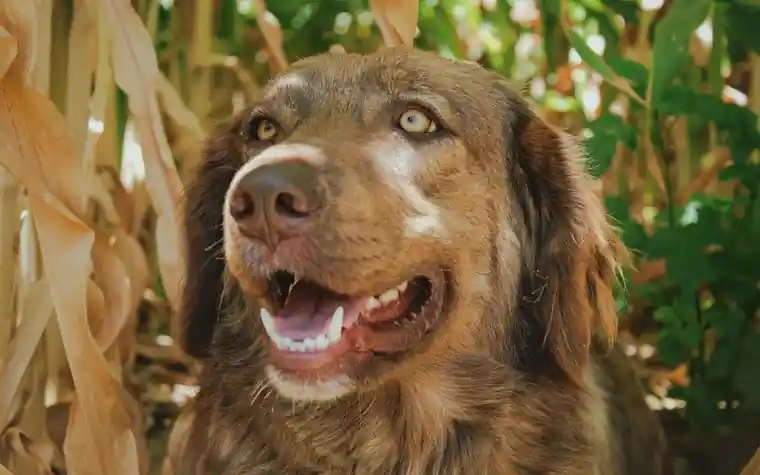
Anesthesia drug dosing scales with body weight, so a large-breed dog costs more to anesthetize than a small one purely on volume, even before any dental work is factored in. Age cuts the other way on risk rather than price alone: older dogs are more likely to need extra pre-anesthetic screening and are statistically more likely to have accumulated periodontal disease by the time they're finally scheduled, which is one of the two conditions senior dog cost breakdowns flag as reshaping the annual vet bill after age seven. Small breeds aren't off the hook either -- crowded teeth in small mouths are a known risk factor for faster periodontal disease progression, regardless of age.
Does pet insurance help with any of this?
It depends entirely on why the cleaning is happening. A routine, preventive cleaning is typically excluded from accident-and-illness policies the same way a routine human dental cleaning is excluded from major medical insurance -- it's not an accident or an illness, it's maintenance. Where insurance usually does step in is once periodontal disease is formally diagnosed and extractions are medically necessary to treat it; several insurers draw exactly that line, as covered in this site's breakdown of pet insurance and dental coverage. Some standalone wellness add-ons will reimburse a portion of the routine cleaning itself, but that's a different product from illness coverage and is worth checking as its own line item.
Ways to keep the number down without skipping the anesthesia
Daily brushing is the single most effective at-home habit for slowing tartar buildup, and dental chews or diets carrying the Veterinary Oral Health Council (VOHC) seal have been independently tested to reduce plaque or tartar accumulation, unlike most chew products on a pet store shelf. Scheduling a cleaning before disease has progressed to loose or infected teeth also keeps the bill closer to the $300-$700 baseline, since it avoids extractions entirely. Some general practices offer dental-specific promotional pricing in designated "pet dental health" months, and low-cost veterinary clinics or veterinary school teaching hospitals can run meaningfully cheaper than a full-service private practice, though appointment availability is usually tighter.
Bottom line
A dog's dental cleaning cost isn't really one number -- it's a base anesthesia-and-scaling fee of roughly $300-$700, plus whatever bloodwork, X-rays, and extractions turn out to be necessary once the vet can actually see and probe every tooth. That's also why an anesthesia-free cleaning at a fraction of the price isn't a bargain version of the same service; it's a different, cosmetic-only procedure that the dogs described in this article's dental disease statistics still won't get diagnosed or treated by. For comparison, cats face a similar cost range but for different reasons, as covered in this site's cat dental cleaning cost breakdown, and dog owners weighing any anesthetic procedure may also want to see how the same size-and-bloodwork cost drivers play out in spay/neuter pricing. This article covers routine cost information only, not veterinary advice; only a veterinarian who has examined your dog can diagnose dental disease or recommend a specific treatment plan.
All content is fact-checked under our editorial standards.