
How Much Does It Cost to Treat Parvo in a Puppy? The Hospitalization Bill Behind a $700-$5,000 Range
Canine parvovirus is one of the most frequently diagnosed serious illnesses in unvaccinated or partially vaccinated puppies, and it's also one of the costlier ones to treat, because there's no single pill that cures it -- treatment is entirely supportive, delivered around the clock, for several days in a row. Across cost-tracking sites, insurer data, and clinic estimates, a full course of parvo treatment for a puppy typically runs $700 to $5,000, with the average case landing above $5,000 once hospitalization is factored in, and severe or complicated cases climbing past $10,000. This article breaks down where that money actually goes.

Why a parvo diagnosis is one of the most expensive "common" illnesses
The diagnostic workup comes first
Before treatment starts, a vet confirms the diagnosis with an in-house fecal ELISA antigen test, which usually returns results within about 10 minutes, plus bloodwork to check white blood cell counts and electrolyte levels. This initial workup commonly runs $150 to $300, or more if X-rays or an ultrasound are needed to rule out an intestinal blockage causing similar symptoms. Because parvo attacks the intestinal lining and the bone marrow's ability to make white blood cells, this bloodwork isn't optional paperwork -- it's what tells the vet how aggressively the case needs to be managed and what it's going to cost.
Hospitalization is the biggest line item
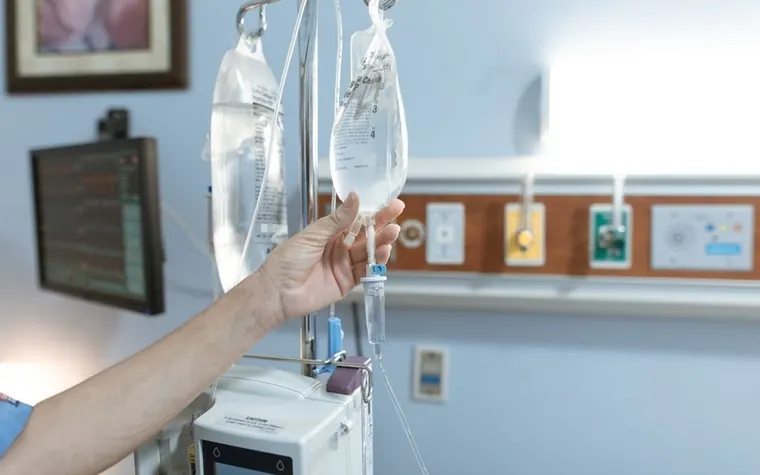
Most parvo cases require inpatient hospitalization for 3 to 7 days, and this is where the bill grows fastest. Daily hospitalization -- a run or kennel, round-the-clock monitoring, and IV fluid therapy to replace what's being lost to vomiting and diarrhea -- typically costs $100 to $600 per day, so a single overnight stay alone can run around $860 once the admission fee is included, and a full multi-day stay commonly adds up to $500 to $2,000 or more. Some practices offer 24-hour on-site monitoring at a base facility fee, while others bill each overnight shift separately, which is one reason two clinics can quote very different totals for what looks like the same case.
Medications and supportive care add up separately
On top of the IV fluids themselves, a hospitalized puppy typically receives anti-nausea medication, anti-diarrheal drugs, broad-spectrum antibiotics to guard against secondary bacterial infection, pain control, and nutritional support once the puppy can tolerate it. These medications and supportive-care items are usually billed as a separate line from the daily hospitalization fee and commonly add another $200 to $500 to the total. Some cases also need a plasma or whole-blood transfusion if protein levels drop too far, which pushes the bill higher still and is one of the reasons severe cases can exceed the typical range.
Outpatient treatment exists, but it's a different cost -- and risk -- profile
Not every case is treated as an inpatient. Some clinics offer an outpatient protocol -- subcutaneous fluids, injectable anti-nausea medication, and antibiotics given during short daily clinic visits instead of round-the-clock hospitalization -- for puppies with milder symptoms or for owners who can't afford full hospitalization. This route can cost several hundred dollars total rather than several thousand, but it comes with a different risk profile than continuous inpatient monitoring, and whether a given puppy is a safe candidate for it is a clinical judgment call only a vet can make case by case.
Where pet insurance fits in
Parvo treatment is typically covered under standard accident-and-illness pet insurance policies, provided the puppy was enrolled -- and any policy waiting period had passed -- before symptoms started or a diagnosis was made. Because parvo is common in puppies acquired from shelters, rescues, or breeders with unclear vaccination records, this is one of the clearer cases where a policy's waiting period can be the difference between a mostly reimbursed bill and an out-of-pocket one. A parvo hospitalization is also a good example of how fast a routine-looking visit can escalate -- something also true of any emergency vet visit that starts with a same-day walk-in appointment.
Why prevention costs a fraction of treatment
The core puppy vaccination series that protects against parvo is part of routine preventive care spending most new puppy owners already budget for, and it typically costs in the range of $30 to $50 per vaccine visit as part of a multi-dose puppy series. Set against a treatment bill that starts at $700 and commonly runs into the thousands, prevention isn't just cheaper -- it's the single biggest cost lever a new puppy owner has over this particular illness. Keeping a puppy away from unvaccinated dogs and high-risk areas like dog parks until the vaccine series is complete is a timing decision worth asking your vet about directly.
This article covers typical cost ranges and general information only -- it is not veterinary advice. Parvovirus is a serious, potentially fatal illness that requires diagnosis and treatment by a licensed veterinarian; do not attempt to interpret symptoms or delay a vet visit based on this article.
All content is fact-checked under our editorial standards.