
How Much Does Preventive Gastropexy Cost for a Dog? The Elective Surgery At-Risk Breeds Get Before Bloat Happens
Bloat -- gastric dilatation-volvulus, or GDV -- is the emergency where a dog's stomach fills with gas and then twists on itself, cutting off blood flow and turning fatal within hours without surgery. There is no medication that prevents it and no reliable early-warning sign an owner can watch for at home. The one thing that reliably stops it before it starts is a preventive surgery called a prophylactic gastropexy, where a vet tacks the stomach wall to the body wall so it physically cannot rotate. It is elective, it is not cheap, and for the breeds that actually need it, it is one of the few surgeries in veterinary medicine where the case for paying ahead of time is backed by hard numbers. Here is what it actually costs, who it's for, and where pet insurance does and doesn't help.
What prophylactic gastropexy actually is
During the procedure, a surgeon sutures a section of the stomach (usually the pyloric antrum) to the inside of the right abdominal wall, creating a permanent scar-tissue adhesion within a few weeks. That adhesion doesn't stop the stomach from bloating with gas -- a gastropexied dog can still get gas buildup and will still need a vet visit if it happens -- but it stops the stomach from flipping, which is the part of GDV that cuts off blood supply and turns a treatable problem into an emergency. The American College of Veterinary Surgeons (ACVS) describes the procedure as safe and highly effective, and it's most often done as a planned, non-emergency surgery rather than something added during a crisis.
Which dogs are actually candidates for it
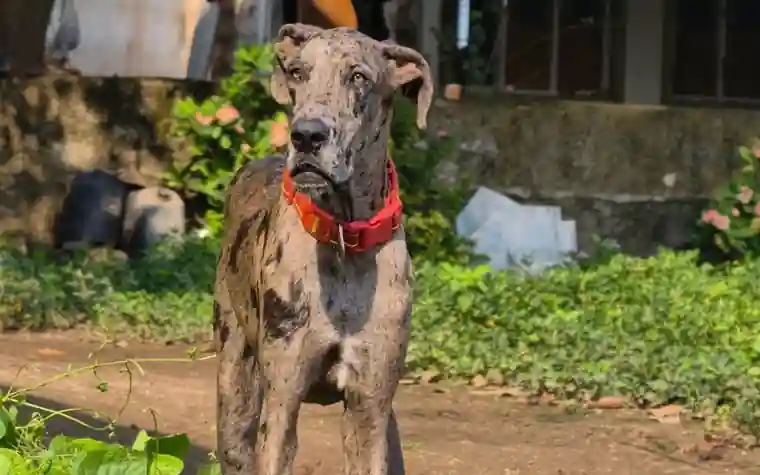
This is not a surgery most dogs need. ACVS recommends it specifically for large and giant-breed dogs -- Great Danes, Weimaraners, Saint Bernards, Standard Poodles, and other deep-chested breeds -- and weighs it more heavily if the dog is anxious by temperament, has a deep, narrow chest, or has a first-degree relative that has already had a GDV episode. Breed risk is not evenly spread: a 2025 analysis of the Dog Aging Project cohort found gastric dilatation-volvulus strongly associated with Poodle-type breeds, increased body size, and male sex, and older breed-specific epidemiology has put lifetime GDV risk as high as roughly 37% in Great Danes versus under 4% in Rottweilers. That spread is exactly why this is a breed-and-risk-factor decision made with your vet, not a blanket recommendation -- a mid-size mixed-breed dog with a normal chest depth is not the intended candidate.
What standalone preventive gastropexy costs
When it's done on its own -- for an adult dog that's already spayed or neutered -- pricing varies widely by clinic, region, and surgical technique. Multiple veterinary hospital fee schedules put the standalone procedure in the roughly $400 to $2,500 range. As a concrete data point, Chester Animal Hospital in New Jersey publishes its preventive laparoscopic gastropexy at $1,400 to $1,600, which sits toward the higher end because laparoscopic technique and specialist time cost more than a general-practice open surgery. Lower numbers in that range typically reflect a traditional open incisional gastropexy done by a general practitioner, without the scope equipment or the smaller-incision recovery benefits.
What it costs added to a spay or neuter
The more common and more cost-efficient path is doing gastropexy during the same anesthetic event as a puppy's spay or neuter, since the dog is only put under once. Added to the base sterilization fee -- covered in this site's guide to spay and neuter costs -- gastropexy commonly adds roughly $300 to $400 or more, with the combined bill for both procedures together typically landing between $1,200 and $3,200 depending on the clinic and whether the gastropexy portion is done laparoscopically. Timing matters here: most surgeons prefer to do this once a large-breed puppy is closer to its adult chest size, often around the same age spay/neuter is already being scheduled for a giant breed, which is later than it would be for a small dog.
Why laparoscopic runs higher than open surgery
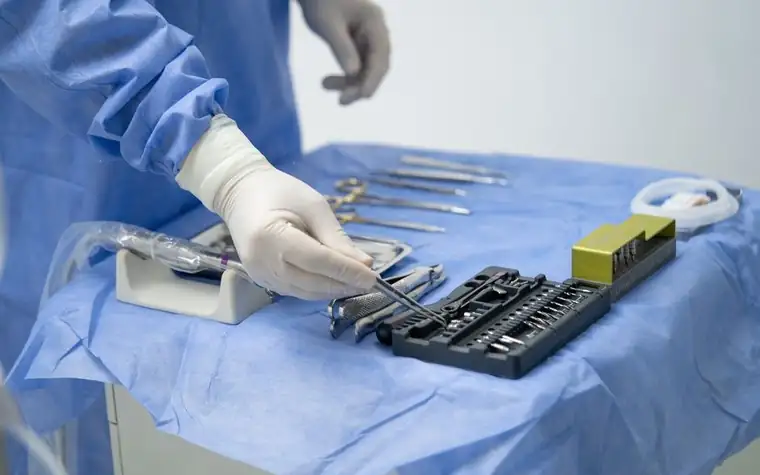
A traditional open gastropexy uses a single larger incision, standard surgical instruments, and equipment most general practices already own -- which is why it's usually the cheaper option and the default when the procedure is bundled with a spay or neuter. A laparoscopic (or laparoscopic-assisted) gastropexy instead uses one or two small incisions and a camera-guided scope, which shortens recovery and reduces post-op discomfort but requires equipment and surgeon training that not every clinic has. That's reflected directly in pricing: practices advertising the laparoscopic technique, like the Chester Animal Hospital example above, tend to quote toward the top of the cost range, and the procedure is more often performed at specialty or referral hospitals than at a standard general-practice clinic.
Does pet insurance cover it?
Mostly no, for a straightforward reason: a prophylactic gastropexy is elective and preventive rather than treatment for an existing illness or injury, and that's exactly the category most accident-and-illness policies are built to exclude -- the same distinction covered in this site's breakdown of accident-only versus accident-and-illness coverage. Some insurers sell an optional wellness or preventive-care add-on that can reimburse part of an elective surgery like this one, separate from the core policy -- the kind of product explained in this site's pet wellness plan versus insurance guide. Where coverage reliably does apply is the opposite scenario: if an unprotected dog later develops an actual GDV, the emergency surgery to correct it -- which includes an emergency gastropexy performed at the same time -- is the kind of sudden illness event standard accident-and-illness plans are designed to help pay for, subject to the usual deductible and reimbursement rate.
How much risk reduction are you actually buying
The number that makes this surgery worth discussing with a vet for the right breed is its effectiveness: veterinary reference sources report gastropexy is more than 95% effective at preventing GDV, whether it's done proactively or added during emergency surgery after a dog's first bloat episode. In that second scenario -- a dog that survives an emergency GDV surgery without a gastropexy -- recurrence risk without the tacking procedure runs as high as roughly 80%; with it, that drops to under 5%. Weighed against the emergency alternative -- this site's guide to dog bloat (GDV) emergency surgery cost puts that operation at roughly $3,000 to $8,000, on top of the mortality risk of an emergency that can progress in hours -- a planned $400 to $2,500 procedure, or a few hundred dollars added onto an already-scheduled spay or neuter, is the cheaper and lower-risk side of the same equation for a dog that's actually a candidate.
Typical total cost by scenario
| Scenario | What's included | Typical cost |
|---|---|---|
| Gastropexy added to spay/neuter, one anesthesia | Sterilization + open or laparoscopic tacking, same visit | $1,200-$3,200 combined |
| Standalone open gastropexy | Already-altered adult dog, general practice, open technique | $400-$1,500 |
| Standalone laparoscopic gastropexy | Scope-based technique, specialty/referral practice | $800-$3,000 (named example: $1,400-$1,600) |
| Unprotected dog, later emergency GDV surgery | Emergency stabilization + surgery + gastropexy, no prior prevention | $3,000-$8,000 |
Sources: American College of Veterinary Surgeons (ACVS) prophylactic gastropexy guidance; Chester Animal Hospital published laparoscopic gastropexy pricing; Veterinary Partner (VIN) reference material on gastropexy effectiveness and GDV recurrence rates; 2025 Dog Aging Project cohort research on breed-related GDV risk; published pet insurance policy documentation on elective-procedure and wellness-add-on coverage. Verified September 2026; prices vary by region, technique, and clinic, so confirm current numbers before booking. This article covers general cost information only and is not veterinary advice -- whether a specific dog is a candidate for prophylactic gastropexy is a decision to make with a veterinarian or veterinary surgeon.
All content is fact-checked under our editorial standards.