
Accident-Only vs. Accident-and-Illness Pet Insurance: What the Premium Gap Buys
A dog owner can get two quotes from the same insurer that look like different products: accident-only near $16 a month, accident-and-illness near $70 a month, for the same dog. Per NAPHIA's national premium data, that's not a pricing quirk — it's the cost of adding illness coverage to a policy that otherwise pays only after an injury.
What "accident-only" is built to cover
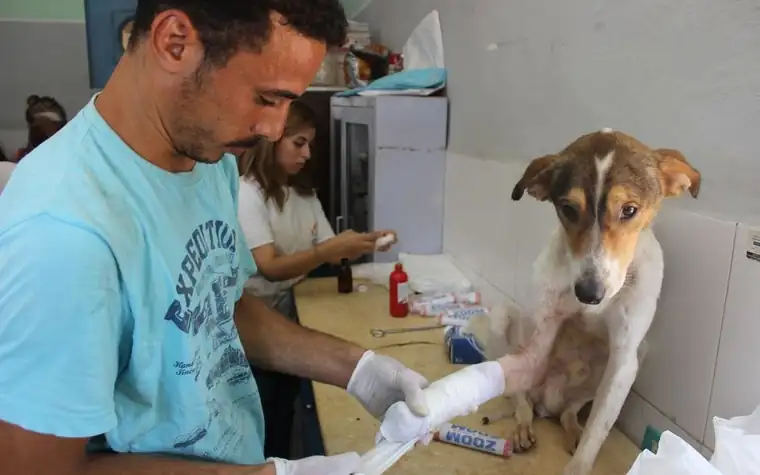
An accident-only policy pays for a narrow list of events — foreign-body ingestion, lacerations, motor-vehicle injuries, torn ligaments, poisoning — the plan-category definitions NAPHIA uses in its State of the Industry reporting. It does not pay for a condition that develops rather than happens: no cancer, no infection, no chronic illness. The policy is built around the word "sudden."
The premium gap, in NAPHIA's numbers
NAPHIA's 2026 report puts 2025 U.S. average annual premiums for accident-only coverage at roughly $190 for dogs and $112 for cats. Accident-and-illness averaged roughly $836 for dogs and $435 for cats — a gap near $646 a year for dogs, $323 for cats, about four times the accident-only rate either way. National averages; your actual quote moves with breed, age, and deductible.
Why the multiple holds near 4x for both species
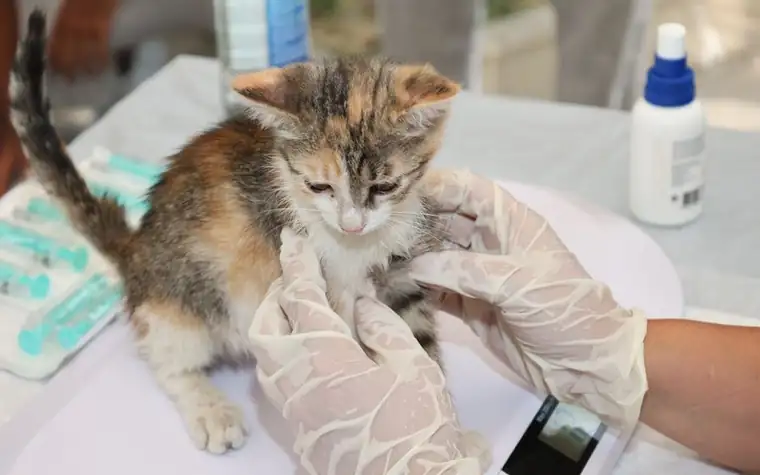
Accidents are rare and capped by the injury itself; illness runs the opposite way — cancer, kidney disease, and endocrine conditions can generate claims for years. Insurers price accident-and-illness against that long-tail exposure, which is also why annual and lifetime payout caps matter more on an illness-inclusive policy.
What the cheaper plan leaves you paying for
The gap buys coverage for the claim categories that dominate industry-wide: GI disease, skin conditions, ear infections, and — for cats — dental disease, kidney disease, and hyperthyroidism, per NAPHIA's claims data. An accident-only owner facing any of these pays the full bill; a cancer workup can run into the thousands with accident-only contributing nothing.
Where embedded-wellness plans sit above both
NAPHIA also tracks accident-and-illness with embedded wellness, averaging roughly $1,414 a year for dogs and $859 for cats in 2025 — paying for routine items like vaccines and exams, a different budgeting problem than insuring against one large bill.

When accident-only is a reasonable bet
Accident-only fits a young, low-breed-risk pet paired with a real emergency-fund habit; it fits poorly for breeds prone to expensive chronic conditions. Check exclusions during the waiting period before assuming a mid-year diagnosis would be covered on an upgraded plan.
Bottom line
1. The gap is real, roughly 4x — $190/dog, $112/cat accident-only versus $836/dog, $435/cat accident-and-illness, NAPHIA 2025 data.
2. It buys illness coverage — cancer, chronic disease, GI and skin conditions, where most claim dollars go.
3. Embedded wellness costs more still — roughly $1,414/dog, $859/cat, for routine care, not emergencies.
4. Get quotes for both tiers — breed, age, and deductible move these averages substantially.
Premium figures are U.S. national averages from NAPHIA's State of the Industry reports (naphia.org); actual rates vary by insurer, breed, age, and deductible. This article covers cost and coverage structure only and is not veterinary or financial advice.
All content is fact-checked under our editorial standards.