
Does Pet Insurance Cover Acupuncture, Hydrotherapy, and Chiropractic Care? What Rehab Coverage Actually Costs
A dog that just had cruciate ligament surgery, or a senior Labrador managing arthritis, often leaves the specialist's office with a second prescription: not a pill, but a referral to rehab -- underwater treadmill sessions, acupuncture, maybe a chiropractic adjustment. These are real veterinary treatments now, not fringe add-ons, and they show up on the bill at $50 to $180 a session. The question owners actually ask when the estimate lands is simpler than any policy document: does my pet insurance pay for any of this, or is the rehab course entirely on top of what I already paid for the surgery?
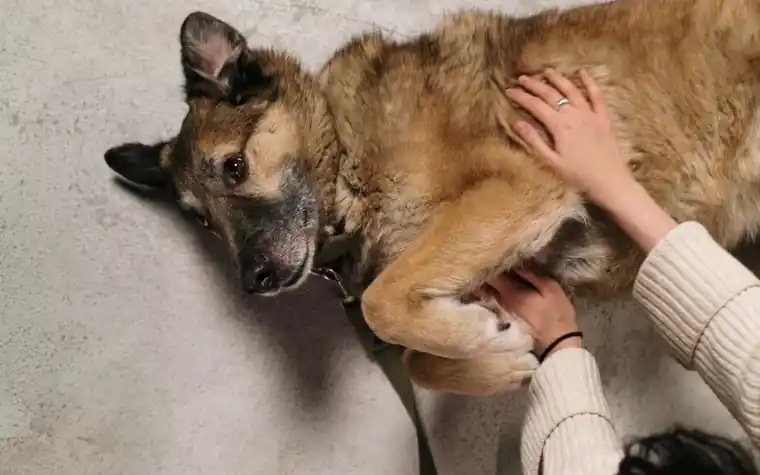
What acupuncture, hydrotherapy, and chiropractic actually cost per session
Veterinary acupuncture runs roughly $75 to $180 per session, with a commonly cited national average around $117; the first visit costs more because it includes a full physical exam, records review, and a treatment plan before any needles are placed. Chiropractic adjustments start closer to $65 per session, with follow-up visits landing around $50 to $90 in lower-cost regions and $70 to $120 in cities with more specialist competition. Hydrotherapy -- underwater treadmill or pool-based sessions used mainly for post-surgical and arthritic dogs -- typically costs $50 to $100 per session. None of these are one-time expenses: a real rehab plan after a cruciate repair or an arthritis flare usually means six to twelve sessions, which turns a single per-visit price into an $800-plus course of treatment fairly quickly.
Which insurers cover it as standard, and which sell it as an add-on
Coverage splits into two clearly different models. Healthy Paws, ASPCA's Complete Coverage plan, and Embrace include acupuncture, chiropractic care, and hydrotherapy in their standard accident-and-illness policies -- there's no extra line item to buy, it's baked into the base premium. Lemonade takes the opposite approach: physical therapy, including acupuncture and hydrotherapy, is a separate add-on that isn't part of the base plan, priced around $1.89 to $12.96 a month depending on the pet's age, breed, and location (Lemonade cites an average near $1.30 a month for cats specifically). Fetch covers massage, movement therapy, and underwater treadmill work under its standard illness coverage when a licensed veterinarian administers or supervises it. The practical upshot is that whether this coverage costs you anything extra depends entirely on which company you already have, not on some universal "rehab rider" you can shop for the way you'd shop for a dental add-on.
The fine print that decides whether a claim actually gets paid
Every carrier that covers these therapies attaches the same condition: the treatment has to be tied to a covered accident or illness, and it has to be performed or directly supervised by a licensed veterinarian -- a human chiropractor moonlighting on pets, or a groomer offering "massage therapy," won't generate a reimbursable claim. Embrace's policy language is explicit that complementary therapy is excluded when it's "performed for maintenance or prevention" rather than active treatment of a diagnosed condition, and Lemonade's add-on specifically does not cover physical therapy for pre-existing conditions. In practice this means the rehab course that follows a documented cruciate repair or a diagnosed arthritis case is the kind of claim that gets paid; a standing monthly wellness massage with no diagnosis behind it generally is not, even on a policy that lists these therapies as covered.
The paper trail matters as much as the treatment itself. Claims for acupuncture, hydrotherapy, or chiropractic care typically need a veterinary invoice that names the diagnosis being treated, not just the modality -- "hydrotherapy" alone on a receipt is weaker than "hydrotherapy, six sessions, post-TPLO rehabilitation" tied to the same claim number as the surgery. Owners who submit rehab invoices separately, weeks after the original surgical claim and without referencing it, are the ones most likely to see a therapy claim questioned or denied even when the underlying policy would have covered it.

Running the numbers: add-on cost versus one real rehab course
Take Lemonade's add-on at a mid-range $6 a month, or $72 a year. A single hydrotherapy session at $70 already gets close to that annual premium, and a realistic eight-session post-surgical rehab plan at $70 a session runs $560 before any acupuncture or chiropractic visits are added on top. Even after your deductible and reimbursement rate reduce what comes back, one qualifying rehab course after a cruciate repair -- the kind of injury covered in dog ACL surgery costs and recovery -- can pay for several years of the add-on by itself. The math changes if your dog never needs post-surgical rehab and only gets occasional maintenance sessions, since those are the claims most likely to be denied as non-medical.
How it interacts with your deductible and annual limit
A rehab claim doesn't get its own separate bucket -- it's added to whatever else you've already claimed that policy year and counted against the same deductible and reimbursement math used for surgery, medication, and diagnostics, the same order of operations covered in how reimbursement rate and deductible actually interact. That matters most on a policy with a lower annual cap: a dog that has an arthritis flare treated with NSAIDs, Librela injections, or joint supplements and then adds a chiropractic and hydrotherapy course in the same year can stack toward a $5,000 annual limit faster than owners expect, a dynamic explained in more detail in pet insurance annual limits: unlimited vs. $5,000. On an unlimited-benefit policy this is a non-issue; on a capped one, a big rehab course in the same year as the surgery that caused it is worth mapping against the cap before assuming everything gets reimbursed.
When paying extra for this coverage actually makes sense
If you already have a policy that includes these therapies standard -- Healthy Paws, ASPCA Complete Coverage, or Embrace -- there's nothing extra to decide; it's already in your premium whether you use it or not. The decision only gets real on a Lemonade-style plan where physical therapy is a separate line item. It tends to be worth adding for breeds with a documented predisposition to conditions that commonly require rehab -- large-breed dogs prone to cruciate tears or hip dysplasia, and any dog already showing early arthritis -- because those are exactly the diagnoses that make a rehab claim payable rather than excluded. It's a weaker bet for a young, healthy small-breed dog with no orthopedic risk factors, where the annual add-on cost may simply accumulate with no qualifying claim behind it.
Age is the other variable worth weighing before you buy or skip the add-on. A seven-year-old large-breed dog is statistically much closer to an arthritis diagnosis, a cruciate tear, or a disc problem than a two-year-old of the same breed, so the same $6-to-$10 monthly add-on is a better bet later in a dog's life than earlier in it -- even though premiums generally rise with age regardless of what's added. Whatever you decide, keep the receipts for any acupuncture, chiropractic, or hydrotherapy session even if you don't have this coverage yet: if you add a rehab rider or switch carriers later, having a documented treatment history for a chronic condition can also affect whether that condition is treated as pre-existing on the new policy.

Quick recap
Acupuncture runs about $75 to $180 a session (average near $117), chiropractic around $65 to $120, and hydrotherapy $50 to $100 -- and a real rehab course is usually six to twelve sessions, not one. Healthy Paws, ASPCA Complete Coverage, and Embrace include these therapies in a standard policy; Lemonade and some others sell it as a $2-to-$13-a-month add-on. Every carrier requires the treatment to be tied to a diagnosed, covered condition and performed under a licensed veterinarian -- maintenance sessions with no diagnosis behind them are the claims that get denied. Whatever gets approved is still processed against your normal deductible, reimbursement rate, and annual limit, not as a separate benefit bucket, so it's worth checking your policy's actual annual cap before assuming a big rehab course is fully covered.
This article covers typical cost ranges and general insurance policy structures; it is not veterinary advice, and it is not a guarantee of what your specific policy or vet will charge.
All content is fact-checked under our editorial standards.