
How Much Does an Annual Heartworm Test and Fecal Exam Cost? Two 'Routine' Tests, Two Different Price Tags
Most dogs get two "routine" lab tests at the same annual visit: a heartworm antigen test and a fecal parasite exam. Owners often assume they're priced the same, or bundled for one flat fee. They're not. A heartworm test typically runs $35 to $80, while a fecal exam can cost anywhere from $10 to $100 or more depending on which method the clinic uses -- and the two prices move independently of each other because they're testing for completely different things with completely different lab methods.

Two tests, two different jobs
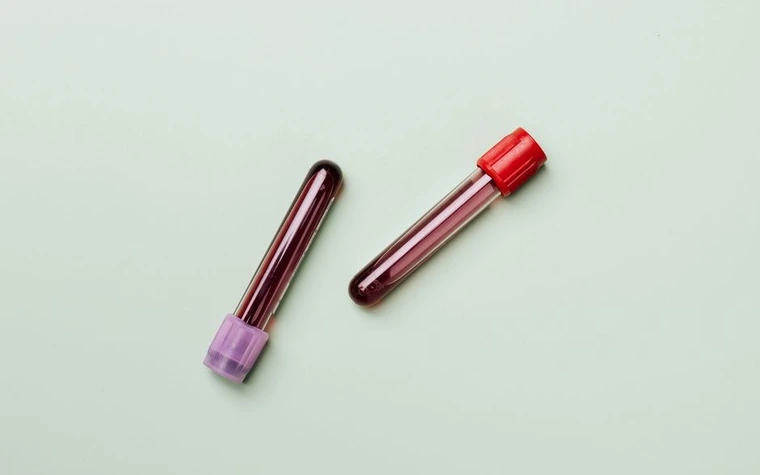
The heartworm antigen test looks for a single thing: proteins produced by adult female heartworms living in a dog's bloodstream and heart. The fecal exam looks for something else entirely -- eggs or antigens from intestinal parasites like roundworms, hookworms, whipworms, and Giardia, shed in the stool. Because they use different biological samples (blood vs. stool) and different lab techniques, clinics price them separately, and the fecal test in particular has several sub-versions that cost very different amounts.
Heartworm antigen test: $35 to $80, and here's why the range is that wide
The national average for a heartworm antigen test lands around $71, though the range runs $35 to $80 depending on where you have it done. Retail walk-in clinics and drive-through vaccine clinics tend to charge $35 to $48 for the test alone, with no separate exam fee attached. Nonprofit and low-cost clinics can run as low as $20 to $35. Private full-service veterinary practices typically charge $45 to $80 for the same antigen test -- but that price usually includes a physical exam by a licensed veterinarian, not just the lab result. Regional cost also shifts the number: sources report roughly $70 in Florida, $83 in New York, and $68 in Virginia for the identical test.
It's standard veterinary guidance for dogs to be tested for heartworm every year, even for dogs already on monthly heartworm prevention. The logic isn't distrust of the medication -- it's that a single missed or late dose, a spit-out chewable, or a manufacturer's guarantee that requires proof of consecutive negative tests can all create a gap. Most heartworm preventive manufacturers only honor their treatment-cost guarantee if the dog has an unbroken record of annual negative tests, which is part of why vets rarely skip this test at the wellness visit even for consistently medicated dogs.
Fecal exam: three different tests hiding under one name
"Fecal exam" isn't one test -- it's a category, and which version your vet runs changes the bill substantially. A direct smear or fecal flotation, the standard in-clinic method using a microscope, typically runs $10 to $60 and gives same-visit results. A Giardia or Cryptosporidium antigen test, used when a vet suspects a specific parasite that flotation can miss, costs more -- typically $50 to $100. A PCR fecal panel, which screens for a broad list of parasites and pathogens using genetic material, is the most expensive and most sensitive option at roughly $100 to $250 or more, usually sent to an outside lab. Most healthy dogs at a routine annual visit only need the basic flotation test; the pricier options are reserved for dogs with diarrhea, weight loss, or other symptoms suggesting a specific parasite.
The exam fee is a separate line item
Neither test price quoted above necessarily includes the veterinarian's physical exam. A general wellness or office visit fee commonly adds another $45 to $80 on top of whatever lab tests are run that day. Retail and drive-through clinics that quote a lower heartworm test price often do so because there's no accompanying exam -- a technician draws the sample and a veterinarian reviews the result remotely, without a hands-on physical. That's a legitimate way to save money for a healthy dog whose only need that day is the annual test, but it also means skin, joint, dental, and heart findings a full exam would catch go unchecked.
Because heartworm antigen tests and fecal flotations both use samples collected at the same visit and process quickly in-house, many general practices bundle them into a single "annual wellness lab panel" price rather than itemizing each test. A bundled panel can run cheaper than paying for the exam fee, heartworm test, and fecal test as three separate line items -- but the bundle usually only includes the basic flotation fecal test, not the pricier Giardia antigen or PCR versions.
Does pet insurance cover either test?
Coverage depends entirely on the plan and, more specifically, on whether it includes a wellness or preventive-care add-on. Standard accident-and-illness pet insurance policies typically exclude routine wellness testing like an annual heartworm check or fecal screen, treating them as preventive care rather than a covered illness. Plans that add a wellness rider, sold separately by most major insurers, generally reimburse a fixed dollar amount toward exactly these kinds of annual tests. If a fecal or heartworm test is run because your dog is already showing symptoms -- vomiting, diarrhea, lethargy -- rather than as a routine annual check, some accident-and-illness plans will cover it as part of a diagnostic workup for that illness, which is a different coverage path than routine wellness testing.
What actually changes the total you pay
Three variables move the bill the most: where you go (retail/nonprofit clinic vs. private practice), whether an exam is bundled in, and which fecal method gets used. A dog going to a low-cost clinic for a basic heartworm test and standard fecal flotation, with no exam, can pay as little as $30 to $60 total. The same two tests at a full-service private practice, bundled with a physical exam, commonly land between $90 and $160. If the vet has reason to run a Giardia antigen test or PCR panel instead of a basic flotation, the fecal portion alone can push the total well past $150.

Steps to keep the annual bill predictable
Ask the clinic upfront whether the quoted heartworm test price includes an exam, and whether the fecal test is a basic flotation or a more specific (and pricier) panel. If your dog is healthy with no digestive symptoms, a basic flotation is almost always sufficient -- there's rarely a reason to pay for a PCR panel at a routine visit unless the vet has a specific concern. Ask about bundled wellness panel pricing before agreeing to separate line items, since many practices offer a lower combined rate. And if you're weighing a heartworm prevention product against the cost of treatment down the line, remember that a positive annual test is what triggers the far more expensive treatment protocol -- which is the real financial argument for not skipping this $35-to-$80 test even in a tight year. The lab fee for either test is often folded into the same invoice as routine bloodwork, so ask for an itemized estimate rather than a single lump-sum quote. This article covers routine cost information only and is not veterinary advice; a veterinarian who has examined your dog is the only source for an actual diagnosis or treatment plan.
All content is fact-checked under our editorial standards.