
How Much Does Pet Cremation or Burial Cost? Communal, Private, and Cemetery Prices Compared
When a pet dies, owners are usually choosing between two very different price ranges: cremation, roughly $50 to $600, or burial, which can run from nothing (a backyard, where legal) to $2,000 or more at a private pet cemetery. The gap isn't about one option being a "ripoff" -- cremation is priced per pet based on weight and whether ashes come back to you, while burial pricing is closer to real estate: a plot, a container, and often an ongoing maintenance fee that funds the cemetery's upkeep for decades. For many owners this decision follows closely on the heels of an at-home euthanasia or hospice appointment, and providers often coordinate both in the same conversation.
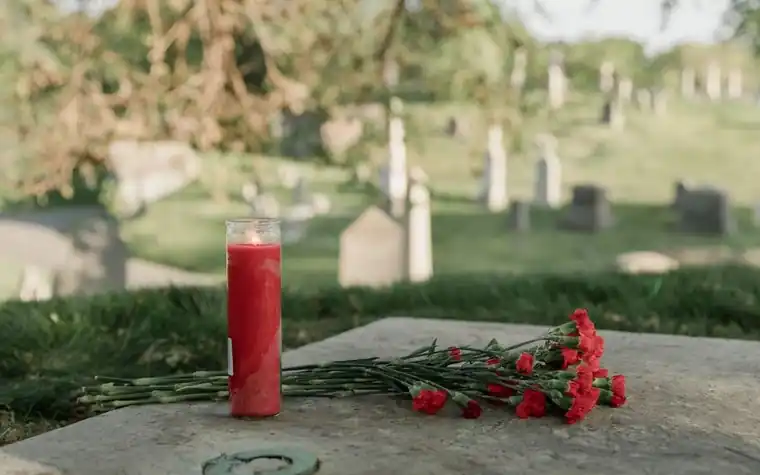
The two paths, and why the price gap is so wide
Communal vs. private cremation: what the price difference buys
Communal cremation, where a pet is cremated alongside others and ashes aren't separated or returned, typically runs $50 to $200. Private cremation -- where your pet is cremated alone and the ashes are returned to you -- costs more: commonly $100-$175 for a small dog or cat, $150-$275 for a medium dog, $250-$350 for a large dog, and $350-$450 for an extra-large dog. Some crematories let you witness a private cremation; that option, when offered, usually adds to the base price rather than being included.
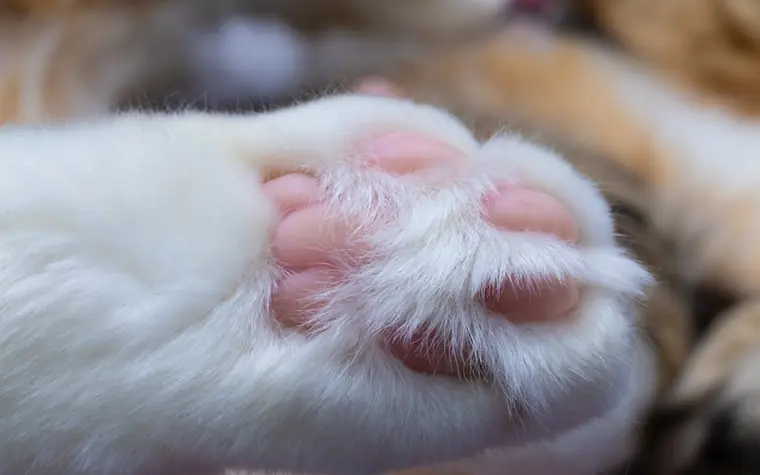
What actually comes back to you
With communal cremation, nothing comes back -- the facility handles disposition, and that's the entire service. With private cremation, you typically get the ashes back in a basic container, with upgrades like a wooden or ceramic urn, a certificate, or a clay paw print sold separately. If a keepsake like a paw print impression matters to you, ask whether it's included or billed as an add-on before you commit to a package -- this is one of the most common places a quote creeps upward after the fact.
Pet cemetery burial: a plot is priced more like property
A private pet cemetery plot commonly runs $400-$550 in lower-cost states, but $850 to $2,000 or more in expensive metro markets like New York or California. On top of the plot, expect a casket (roughly $50-$500 depending on material) and, frequently, a perpetual care or endowment fee -- a one-time charge that funds the cemetery's groundskeeping indefinitely. That last fee is easy to miss when comparing quotes because it's sometimes bundled into the plot price and sometimes listed separately.
Backyard burial: cheap, but not unregulated
Burying a pet on your own property is often the lowest-cost option, but it isn't a free-for-all. Many states set minimum burial depth requirements -- commonly 3 to 5 feet -- and some require a biodegradable container rather than a sealed casket. Burying a pet on public land, including state parks or wildlife areas, is illegal almost everywhere and can carry fines. Before you dig, a quick call to your county health department or a search of your state's regulations on animal burial confirms what's actually allowed where you live -- rules vary enough by state and even by county that a blanket national answer isn't reliable.

Questions to ask before you decide
If you're choosing cremation, ask directly whether it's communal or private -- some lower-priced quotes are communal by default unless you specify otherwise, and that distinction is exactly what determines whether you get ashes back. If you're pricing a cemetery plot, ask whether the quoted number already includes the perpetual care fee, and whether that fee is one-time or recurring. For either path, ask about scheduling: cremation is typically arranged through your vet's office or an on-call pet crematory, while cemetery burial usually needs to be arranged directly with the cemetery, sometimes with a short waiting period for plot preparation.
Putting it together
For most owners, communal cremation at $50-$200 is the lowest-cost respectful option, private cremation in the low hundreds is the middle ground if you want ashes returned, and cemetery burial at several hundred to a couple thousand dollars is the choice for families who want a permanent, visitable site. None of these numbers are fixed nationally -- location, the provider's overhead, and your pet's size move every one of them, so a call to two or three local providers before you need the service (rather than during an emotional decision) is the most reliable way to avoid an unpleasant surprise on the bill. This is also a cost worth planning for earlier than most owners expect -- a dog's later years and a cat's senior years already carry a heavier medical bill, and end-of-life costs are the natural next line item on that same budget.
This article covers costs and general practices only -- it is not veterinary, legal, or end-of-life care advice. Check your state and county regulations before burying a pet on private property, and confirm current pricing directly with local providers.
All content is fact-checked under our editorial standards.