
How Much Does It Cost to Diagnose and Monitor Hypertrophic Cardiomyopathy (HCM) in Cats?
Hypertrophic cardiomyopathy (HCM) is the most common heart disease in cats, and it's a quiet one -- many cats show no symptoms until a vet happens to hear a murmur or arrhythmia during a routine exam. Because there's no single blood test that confirms it, the diagnostic path (and the bill that comes with it) tends to surprise owners. Here's what actually goes into diagnosing and monitoring HCM, and where the real cost sits.
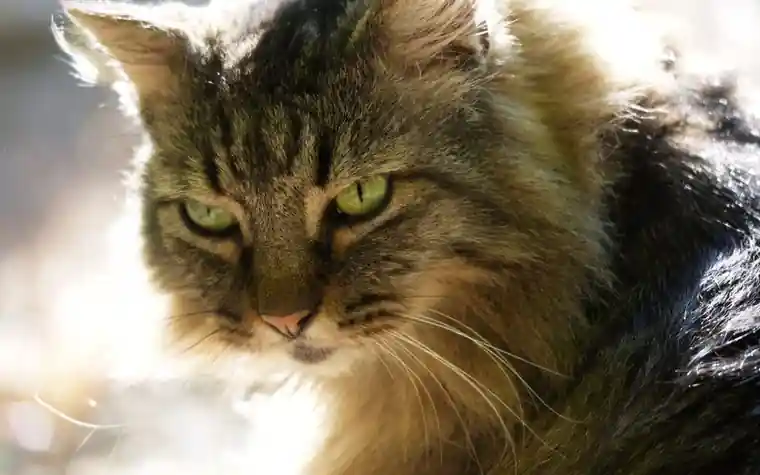
The heart disease most cat owners have never heard of until it's diagnosed
The only way to confirm it: echocardiography
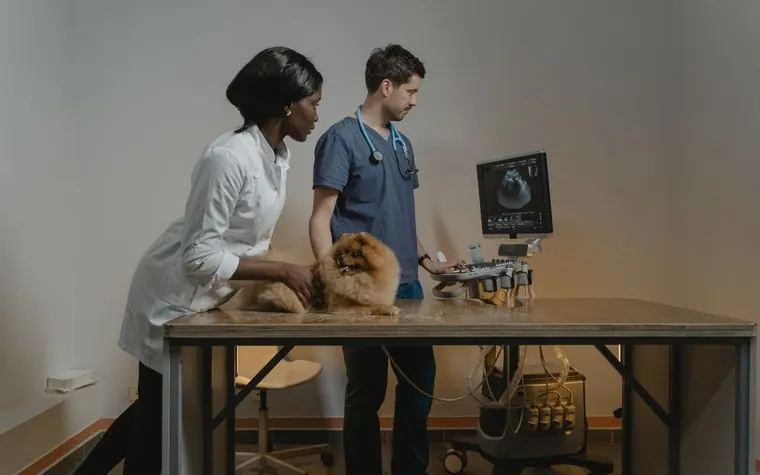
HCM is a thickening of the heart's left ventricular wall, and the only way to definitively diagnose it is with an echocardiogram -- an ultrasound of the heart performed by a veterinarian or veterinary cardiologist. The diagnostic threshold generally cited is a left ventricular diastolic wall thickness greater than 6mm with no other explanation (like high blood pressure or hyperthyroidism) for the thickening. An echocardiogram alone typically runs $300 to $600, and if it's performed by a board-certified veterinary cardiologist rather than a general practitioner, expect an additional $100 to $200 consultation fee on top of that.
A cheaper first step some vets use before the echo
Because a full echocardiogram isn't always available at a general practice, some clinics first run an in-clinic blood test that measures NT-proBNP, a biomarker that rises when heart muscle is under strain. It's commonly used to screen cats that are apparently healthy but considered at higher risk (due to a murmur, breed, or arrhythmia), or to help rule out a cardiac cause in a cat with breathing trouble. A positive or borderline result doesn't confirm HCM by itself -- it's a signal that an echocardiogram is worth doing. Pricing for this screening test varies enough by clinic and lab that it's worth asking your vet for a specific quote rather than assuming a number.
Maine Coons and Ragdolls: a genetic test adds another option
Two breeds -- Maine Coons and Ragdolls -- have a known genetic mutation in the MYBPC3 gene linked to HCM, and a genetic test for it is widely available for $50 to $150. But the result needs careful interpretation: cats with two copies of the mutation (homozygous) have a significantly increased risk of developing HCM, while cats with only one copy (heterozygous) have not been shown to carry increased risk in research on the condition. In other words, a "positive" genetic test on a heterozygous cat isn't a diagnosis, and it doesn't replace an echocardiogram -- it's a piece of risk information, most useful for breeders deciding which cats to breed and for owners deciding whether periodic heart screening is worth prioritizing.
If your cat is diagnosed, monitoring becomes a recurring cost
HCM isn't a one-time diagnosis and done. Cats confirmed to have the mutation or early hypertrophy are typically recommended to have annual echocardiogram re-evaluation to track whether the wall thickening is progressing, along with a follow-up conversation about treatment options if the disease advances. That means the $300-$600 echo cost effectively repeats every year for a cat under active monitoring, which is the part of HCM that catches owners off guard -- the initial diagnosis is often just the first of several similar bills.
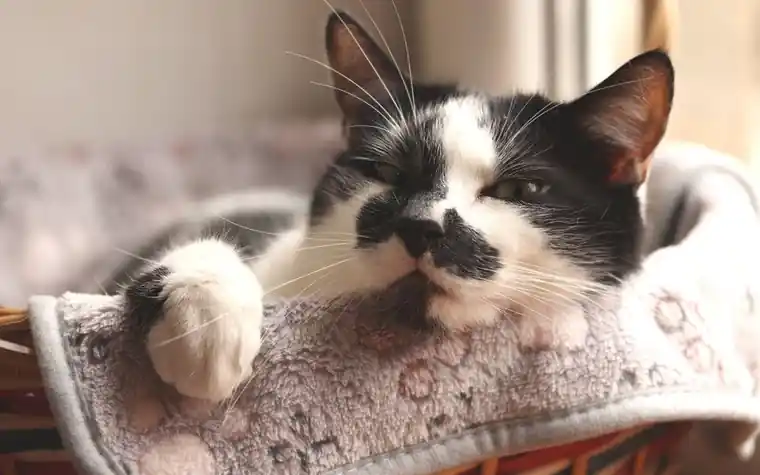
Where pet insurance and wellness plans fit in
Diagnostic costs for a condition like HCM are exactly the kind of expense an accident-and-illness insurance plan's annual limit is designed to absorb, but only if the policy was purchased before any symptoms or a heart murmur were ever noted -- HCM, once suspected or diagnosed, becomes a pre-existing condition that future policies won't cover. If you're weighing insurance against a wellness plan instead, keep in mind that wellness plans are built around routine care, not unplanned cardiology referrals, so they generally don't offset an HCM workup the way accident-and-illness coverage can.
Choosing a cat with this in mind
If you're bringing home a Maine Coon or Ragdoll kitten, asking the breeder whether the parents were genetically tested (or better, echocardiogram-screened) for HCM is a reasonable question, in the same way other first-year kitten costs are worth budgeting for before adoption rather than after. It won't guarantee a heart-healthy cat, but it narrows the odds, and it gives you a head start on deciding how often to screen going forward.
Summary
Diagnosing HCM in a cat means an echocardiogram ($300-$600, plus $100-$200 for a cardiologist), sometimes preceded by a cheaper in-clinic blood screening test. Maine Coons and Ragdolls can be genetically tested for a known mutation ($50-$150), but only the homozygous form carries confirmed increased risk. Cats diagnosed or flagged as at-risk typically need annual echocardiogram monitoring, which turns this into a recurring cost rather than a one-time bill. This article covers typical U.S. cost ranges based on published veterinary and research sources; it is not veterinary advice. Talk to your veterinarian or a veterinary cardiologist about your own cat's risk, symptoms, and monitoring schedule.
All content is fact-checked under our editorial standards.