
How Much Does It Cost to Test a Cat for FeLV or FIV? The Screening Test, the Retest, and What Confirmation Adds to the Bill
A cat comes in from outside with a torn ear, or a new foster shows up with no history, and the vet says the word every cat owner dreads: "let's run a combo test." The screen is cheap — what the follow-up testing costs is the part most estimates skip.
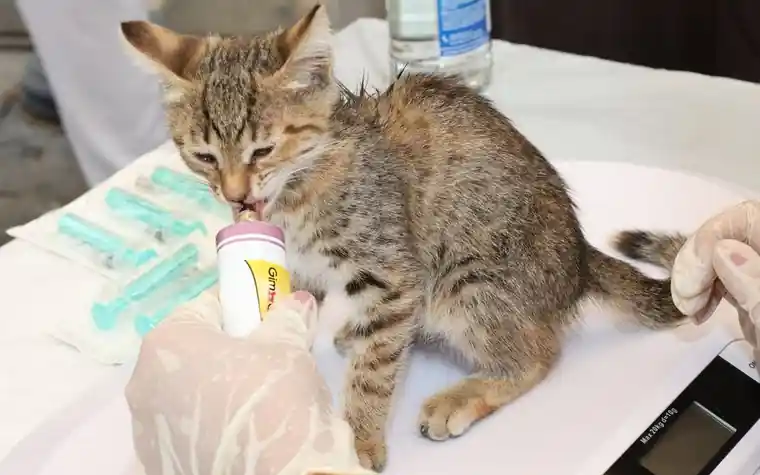
The In-Clinic Combo Test: What One Screen Costs
The FeLV/FIV combo test is an in-office ELISA cassette — a few drops of blood, results in 10 minutes. Published clinic price lists show it running $35-$95, most charging $45-$65 on top of an exam fee. Virginia Tech's veterinary diagnostic lab lists the send-out version of the same SNAP test at $58 on its 2026 fee schedule.
Why One Test Almost Never Ends the Visit
Cornell's Feline Health Center is blunt: "no single test at one time point is sufficient to determine if a cat has a progressive FeLV infection." False positives happen with both screens, so a positive result triggers more testing, not a diagnosis — and that means another bill.
The 3-to-6-Week Recheck After Possible Exposure
After a bite wound or an unknown outdoor history, Cornell recommends repeating the FeLV test in 3-6 weeks, since the virus can take that long to become detectable — a second visit and a second $35-$95 test before anyone can rule it out.
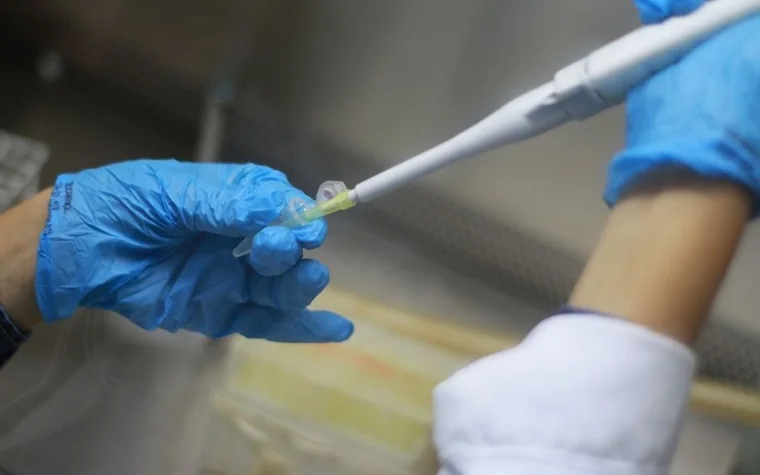
Confirming a Positive Costs More Than the Screen
A positive screen gets sent for IFA or PCR confirmation at a reference lab — commonly $100-$300. Cornell recommends this follow-up 6-12 weeks later, to see whether the infection is progressive or regressive: a third round of lab fees before the picture is clear.
What Changes on the Bill After a Confirmed Positive
A cat's annual vaccination visit stays, but many vets add a twice-yearly exam instead of once a year, since infections can progress quietly — roughly one extra exam fee a year, similar to the added visits behind monitoring HCM.
Does Pet Insurance Cover Any of This?
Diagnosed before a policy starts, or during the waiting period, most insurers treat it as a pre-existing condition and exclude related claims going forward, though the screen itself may be covered as diagnostic care. Enrolling before testing is what protects future claims.
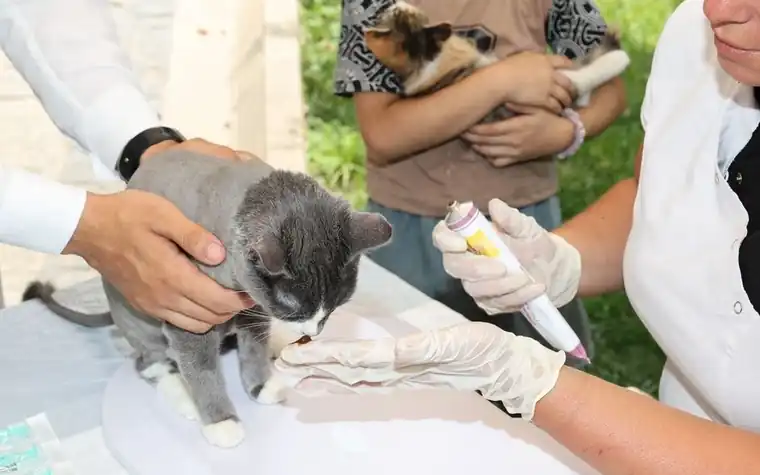
Shelters Often Waive the Fee for Positive Cats
A positive result doesn't have to end a cat's adoption chances. Many shelters reduce or waive the standard adoption fee for FeLV+ or FIV+ cats since the diagnosis makes them harder to place — worth asking about directly.
FAQ: Retesting and What This Guide Covers
Does every cat in the house need retesting if one tests positive? Cornell's guidance is per cat — housemates with no bite wounds or blood exposure are typically tested once, not on the positive cat's schedule. Is the combo test required before adoption? Many shelters test on intake, but a private adopter should budget for the $35-$95 screen. This is cost information only, not veterinary advice — a licensed veterinarian should interpret any result.
All content is fact-checked under our editorial standards.