
Home › Grooming, Boarding & Supplies
Pet ID Tags, Collars, and GPS Trackers: What They Really Cost Over Five Years
A collar and an ID tag look like a one-time, ten-dollar purchase — until you add up what actually gets replaced over five years, and whether a GPS tracker's monthly fee belongs in the calculation at all. The gear that keeps a pet identifiable splits into two very different cost categories, and mixing them up is how a "cheap" tracker ends up costing more than the pet's annual vet visit.
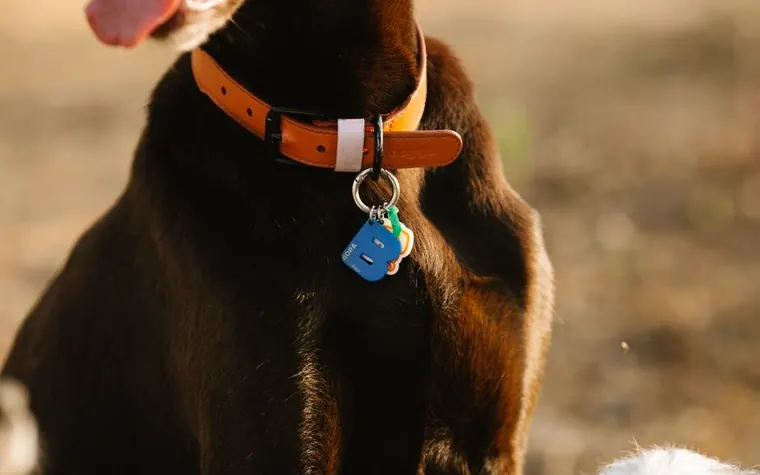
ID tags and collars: replaced on wear, not on a schedule
A basic engraved ID tag typically runs $8–$20, and a standard nylon or leather collar runs $10–$30. Neither has a fixed replacement schedule — they get swapped when the engraving wears illegible, the buckle cracks, or a growing puppy outgrows a collar within its first year. A reasonable estimate for an average dog is one collar replacement every 12–18 months and one tag replacement every couple of years as contact information changes (a move, a new phone number). Over five years, that puts basic tag-and-collar costs in the neighborhood of $60–$150 total — a small, mostly one-time cost.
Bluetooth trackers: no subscription, but no real GPS either
An Apple AirTag costs about $29 with zero subscription fee, and Android-compatible Bluetooth trackers are priced similarly. The catch is mechanical, not financial: these devices use Bluetooth, not cellular GPS, so they only report a location when they pass near another device on the same tracking network. Apple has explicitly cautioned against using AirTag as a standalone pet-finding device for this reason. A Bluetooth tag works fine for "did it fall off in the yard," but it is not built for a pet that gets loose miles from home.

GPS trackers: the device is the small number
A cellular GPS tracker built for pets, like the Tractive DOG or CAT models, costs roughly $49–$79 for the hardware — comparable to a mid-range collar. The real cost is the required monthly subscription that powers the cellular connection: typically $8–$13 a month on an annual plan, which works out to roughly $108–$120 a year. Unlike a collar, this fee doesn't stop once you've paid for the device — the tracker becomes useless the moment the subscription lapses, because the hardware has no independent way to report location without cellular service.
Five years of a subscription tracker adds up fast
Run the subscription forward five years and the number changes shape entirely: $108–$120 a year comes to roughly $540–$900 over five years, on top of the $49–$79 device cost (and likely a replacement device somewhere in that stretch, since battery life and durability limit most units to two or three years of daily use). That total is well above what five years of basic tags and collars cost combined, and it's a recurring bill rather than a purchase you make once and forget — closer in scale to an annual supply cost than to a one-time accessory purchase.
The Whistle shutdown is a case study in subscription risk
Whistle trackers were permanently discontinued in 2025 after Tractive acquired the brand from Mars Petcare; existing Whistle devices were deactivated, and affected owners had a limited window to claim a free replacement tracker. It's a reminder that a subscription tracker's five-year cost isn't just about dollars — it also depends on a company staying in business and continuing to support the hardware you bought. Checking a brand's track record before committing to a multi-year subscription is a real part of the cost comparison, not an afterthought.

Matching the device to the actual risk
A cat that never leaves the house, or a senior dog that doesn't wander, may only need a basic tag with current contact information — the same information a microchip registry keeps on file if the collar itself falls off. A dog with a history of bolting, or one that spends time off-leash in unfenced areas, is the case where a GPS subscription's recurring fee is closest to justified by the actual risk of a lost pet, rather than by marketing — the same risk profile that makes renters with pets worth double-checking building rules before assuming a tracker collar is allowed on the property.
Cost checklist
1. Basic tag + collar — $60–$150 over five years, replaced as needed, no subscription.
2. Bluetooth tracker (AirTag-style) — about $29 once, but not real-time GPS and not intended for pets by the manufacturer.
3. Cellular GPS tracker — $49–$79 device plus $108–$120/year, roughly $540–$900 over five years.
4. Microchip — a separate, one-time safeguard that keeps working even if a collar or tracker is lost; worth pairing with either option above.
This article covers typical U.S. retail and subscription pricing for pet identification and tracking products as of 2026 and is not veterinary advice. Prices vary by brand, region, and retailer — confirm current pricing directly with the manufacturer before purchasing. Sources: manufacturer retail and subscription pricing pages (Tractive, Apple); reporting on the 2025 Whistle-to-Tractive transition. Verified August 2026.
All content is fact-checked under our editorial standards.