
Home › Grooming, Boarding & Supplies
How Much Does It Cost to Own a Pet Rabbit? Housing, Hay, and Why Spay Surgery Costs More Than a Dog's
Rabbits get marketed as a "starter pet" for kids because the adoption fee is small and they don't need walks -- but the actual cost structure runs almost opposite to what that reputation suggests. The animal itself is cheap. The housing, the hay, and especially the vet care are where a rabbit's budget looks nothing like a dog's or cat's, starting with the fact that spaying a rabbit routinely costs more than spaying a dog twice its size.
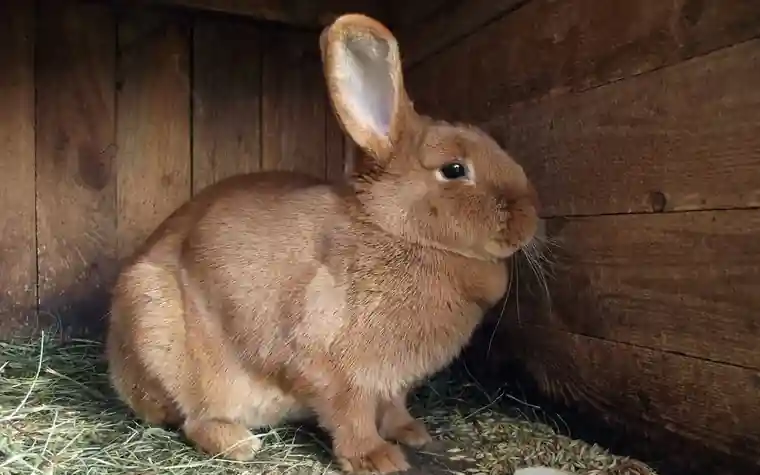
The rabbit itself is the smallest line item
Adopting a rabbit from a shelter or rescue typically runs far less than buying a purebred dog, and many House Rabbit Society chapters and regional rescues place rabbits for adoption fees well under $100. That low upfront number is exactly why so many owners underestimate what the animal will actually cost to keep -- the purchase price has almost no relationship to the ongoing bill.
Housing: a hutch is not optional, and it's not small
A wire cage or hutch runs roughly $50 to $200 depending on size, but that figure only covers a bare minimum enclosure -- rabbits need enough floor space to take three or four hops in a row and enough height to stand up fully on their hind legs, which pushes most serious setups toward a multi-level pen or a rabbit-proofed exercise area rather than a small cage marketed as a "starter kit." Litter, a hideout box, and chew-safe furniture add to that initial setup before the rabbit ever sees a vet.

Hay is the biggest recurring cost, and it isn't optional
Unlimited access to grass hay, usually timothy, is the single most important part of a rabbit's diet -- it's what keeps their constantly-growing teeth worn down and their digestive system moving, and running out of it is a real medical risk, not just a nutrition gap. A steady hay supply runs about $15 to $30 a month, on top of $5 to $10 for pellets and another $10 to $20 for fresh greens, putting total food costs around $300 to $500 a year. Most owners land at $40 to $80 a month once hay, pellets, greens, and litter are all added together.
Why the spay costs more than a dog's
Rabbit spay and neuter surgery commonly runs $250 to $600 for a spay and $150 to $400 for a neuter, and a realistic all-in budget -- including the pre-surgical exam and bloodwork -- is closer to $400 to $800. That's often more than what a same-size dog would cost for the identical procedure, and the reason comes down to risk, not routine: rabbits can only safely undergo gas anesthesia rather than the injectable protocols standard in dogs, and unlike a dog, a rabbit should not be fasted before surgery, since even a few hours without food can trigger a dangerous slowdown of gut motility called GI stasis. That combination means longer, more closely monitored anesthesia performed by a vet trained specifically in rabbit physiology -- and that expertise is priced accordingly.
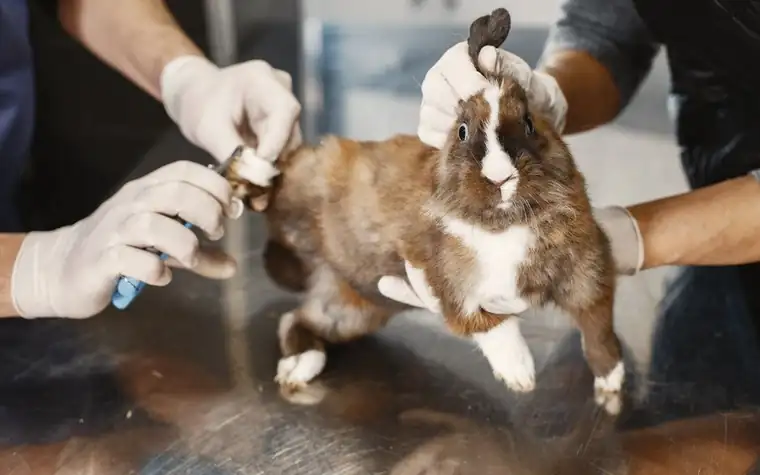
Finding a vet who will even see a rabbit
Not every general practice clinic treats rabbits, since they fall under "exotic" or "small mammal" medicine rather than standard companion-animal care -- and that narrower pool of qualified vets is a second reason rabbit care costs more than the pet's size would suggest. A routine wellness exam commonly runs $70 to $130, while an emergency exotic visit -- before any diagnostics or treatment are added -- typically starts around $150 to $250. It's worth confirming a clinic actually treats rabbits regularly, not occasionally, before an emergency forces the search.
What ownership costs after year one
The full first year, including the enclosure, initial supplies, and the spay or neuter surgery, commonly lands between $600 and $1,500 depending on how much is spent on housing. After that first year, ongoing costs settle to roughly $400 to $800 annually, covering food, litter, one yearly wellness exam, and money set aside for the unplanned visit that most rabbit owners eventually need.
Bottom line
A rabbit's low adoption fee is close to the only cheap part of owning one -- hay is a recurring, non-negotiable expense, and vet care costs more per procedure than an equivalent dog's because gas-only anesthesia and no pre-surgical fasting both demand a specialist's judgment, not a routine protocol. Anyone comparing the numbers side by side can see the same spay procedure priced differently for a dog, which is a useful reference point for why "exotic" pricing exists in the first place. Budgeting for an emergency vet visit in advance, and checking whether pet insurance options extend to exotic pets before assuming they don't, are both worth doing before the first vet visit rather than after. This article covers typical costs only and is not veterinary advice -- any rabbit showing signs of illness, especially reduced appetite or smaller/fewer droppings, needs an exotic-experienced vet promptly, since GI stasis can become an emergency within hours.
All content is fact-checked under our editorial standards.