
How Much Does a Rabies Titer Test Cost for a Dog or Cat? FAVN Pricing and When You Need One Instead of a Booster
A rabies booster is a five-minute visit that runs $15-$30. A rabies titer test is a blood draw shipped to one of a handful of approved U.S. labs, takes over a week, and can cost ten times as much. Most owners never need one -- until an international move makes the booster legally useless.
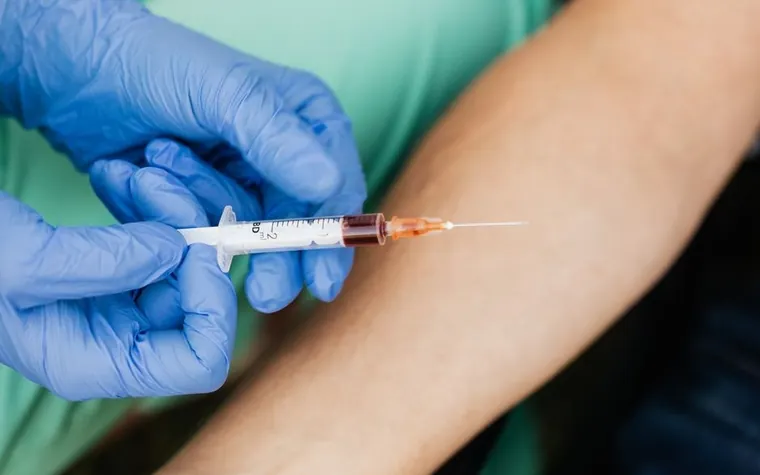
What a titer actually measures
A booster re-exposes the immune system; it proves nothing about current antibody levels. A titer measures that level directly, in IU/mL. Most entry rules treat 0.5 IU/mL or higher as a pass, using the FAVN method -- the OIE-recognized standard most countries require.
Why the lab fee isn't the real cost
FAVN testing runs $65-$90 per sample at the lab -- but only a handful of U.S. labs are OIE/CDC-approved, Kansas State University's Rabies Laboratory being the one most vets ship to. Add the exam fee, blood draw, and overnight shipping, and the real total lands closer to $300-$700+ per pet.

The 30-day rule
Blood can't be drawn right after a booster. CDC guidance requires the draw at least 30 days after vaccination, so antibodies have time to develop. Draw it early and the result is invalid -- meaning you pay twice.
When U.S. entry rules require it
CDC rules for dogs from countries it classifies as high-risk for rabies require either a valid titer from an approved lab, or a 28-day quarantine at a CDC-registered facility. A booster at the border satisfies neither.
Hawaii shows the cost gap clearly
Under Hawaii's 5-Day-Or-Less program, a pet with a passing titer drawn well ahead pays roughly $244 in fees. Miss the timing and the same pet defaults to the 120-day program at about $1,080 -- a gap driven entirely by paperwork timing.
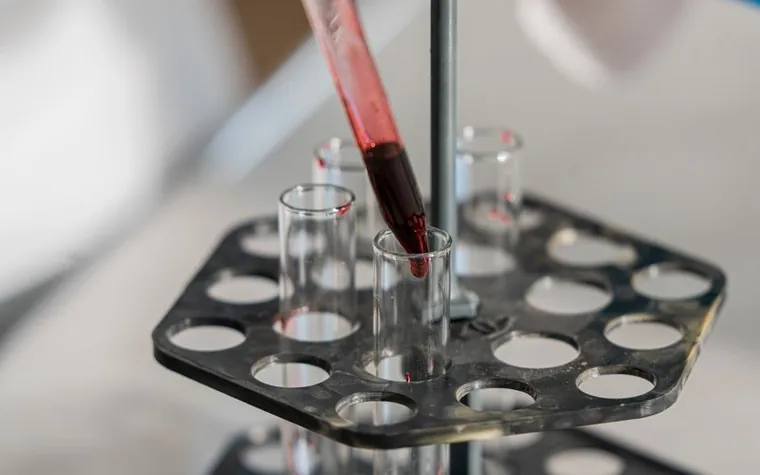
USDA paperwork adds its own fee
Separately, USDA APHIS charges $101 to endorse a standard health certificate, rising to $160 when a titer is part of the paperwork -- billed per certificate, not per test.
Cats pay the same, on the same clock
There's no cat discount: the FAVN fee and 30-day wait apply equally. What differs by destination is the quarantine program, not the test.
Putting it all together
A titer proves immunity on top of a vaccination that's already current -- it doesn't replace one. Confirm the exact threshold and timing window before booking travel; a titer drawn outside it means paying again. Compare it against routine dog vaccination pricing or cat vaccination pricing, and budget separately for pet-friendly lodging if travel means an overnight stay. It's one of several lab tests -- like an annual heartworm and fecal panel -- where collection is cheap and lab processing is the real cost.
This article covers typical U.S. cost ranges from published federal and laboratory sources; it is not veterinary advice. Confirm current fees and timing with your vet, USDA APHIS, and the destination program before booking travel.
All content is fact-checked under our editorial standards.